30% – 35% Chemical Purity Concentration: The Complete Industrial Buyer’s Guide with Prices
Introduction: Why the 30%–35% Concentration Range Matters
In the vast landscape of industrial chemicals, the 30% to 35% purity concentration percentage represents one of the most widely utilized and commercially significant ranges. This intermediate concentration band — sitting between dilute household formulations and fuming, highly concentrated reagents — offers an optimal balance of efficacy, safety, handling convenience, and cost-effectiveness that makes it indispensable across dozens of industries. Whether you are managing a water treatment facility, operating a semiconductor fabrication line, running a textile bleaching operation, or overseeing a pharmaceutical manufacturing process, chemicals in this concentration bracket are almost certainly part of your daily workflow.
The 30%–35% concentration range, sometimes referred to as the moderate-strength industrial band or the mid-tier purity percentage, has become the de facto standard for many applications precisely because it delivers potent chemical activity without the extreme hazards and specialized storage requirements associated with higher concentrations. Hydrogen peroxide at 30%–35%, for instance, serves as a powerful oxidizing and bleaching agent while remaining substantially safer to handle than its 50% or 70% counterparts. Similarly, hydrochloric acid at 30%–35% (muriatic acid concentration) provides aggressive descaling and pH adjustment capabilities without the violent fuming characteristics of 37%–38% solutions.
This comprehensive guide will walk you through everything you need to know about chemicals in the 30%–35% purity range: which compounds fall into this category, what they are used for, how much they cost in today’s market, where to purchase them reliably, and how to handle them safely. Along the way, we will include current pricing data, supplier recommendations, and internal links to (https://chemicalssuppliers.com) where you can source these essential industrial chemicals.
Understanding Chemical Purity and Concentration Percentages
What Does “30%–35% Purity” Actually Mean?
When a chemical product is labeled with a percentage such as 30% or 35%, this figure typically refers to the weight-by-weight (w/w) or weight-by-volume (w/v) proportion of the active chemical compound relative to the total solution. In most industrial contexts, a 30% hydrogen peroxide solution means that 30 grams of pure H₂O₂ are present in every 100 grams of the final aqueous solution — the remaining 70% being predominantly water, along with trace stabilizers or inhibitors.
It is important to distinguish between several related concepts:
-
Concentration: The amount of solute (active chemical) dissolved in a given quantity of solvent, usually water.
-
Purity: The absence of contaminants or unwanted substances in the chemical, often expressed as a percentage.
-
Grade: The overall quality classification of the chemical, such as Technical Grade, ACS Grade, Reagent Grade, or USP Grade .
A chemical can be 30% concentrated but available in different purity grades. For example, 30% hydrogen peroxide is commonly sold in Technical Grade (suitable for industrial bleaching and wastewater treatment), Food Grade (suitable for aseptic packaging and food processing), and ACS Reagent Grade (meeting the American Chemical Society’s stringent purity specifications for laboratory use) .
Common Grades Available in the 30%–35% Range
| Grade |
Typical Purity Standard |
Primary Applications |
| **Technical Grade** |
≥90%–95% pure active ingredient |
Industrial processing, cleaning, bulk manufacturing |
| **ACS Grade** |
≥95%, meets ACS specifications |
Laboratory research, analytical work, quality control |
| **Reagent Grade** |
Generally equivalent to ACS |
Chemical synthesis, educational labs, general research |
| **USP/NF Grade** |
Meets United States Pharmacopeia standards |
Pharmaceutical manufacturing, personal care products |
| **Food Grade (FCC)** |
Meets Food Chemicals Codex standards |
Food processing, aseptic packaging, sanitization |
| **Semiconductor/Electronic Grade** |
Ultra-high purity, sub-ppb metal content |
Semiconductor fabrication, electronics cleaning |
The choice of grade depends entirely on your application. Using a Technical Grade chemical where USP Grade is required can lead to product contamination, regulatory non-compliance, or equipment damage. Conversely, paying a premium for ACS Grade when Technical Grade would suffice represents unnecessary expenditure .
Key Chemicals in the 30%–35% Concentration Range
1. Hydrogen Peroxide (H₂O₂) — 30% to 35%
Hydrogen peroxide in the 30%–35% concentration bracket is arguably the most commercially significant chemical in this range. Also referred to as high-strength hydrogen peroxide, industrial peroxide solution, or concentrated H₂O₂, this clear, colorless liquid is a potent oxidizing agent with applications spanning from heavy industry to healthcare.
Key Applications:
-
Pulp and Paper Bleaching: The pulp and paper industry is one of the largest consumers of 30%–35% hydrogen peroxide, using it to bleach mechanical and chemical pulps to high brightness levels without chlorine-based compounds .
-
Textile Bleaching: Cotton, linen, and synthetic fiber bleaching operations rely on H₂O₂ at this concentration for consistent, fiber-safe whitening.
-
Wastewater Treatment: Advanced oxidation processes use 30%–35% peroxide to degrade organic pollutants, remove color, and reduce chemical oxygen demand (COD) in industrial effluents.
-
Electronics and Semiconductor Manufacturing: The RCA cleaning process — a standard in semiconductor fabrication — uses 30%–35% electronic-grade hydrogen peroxide in combination with ammonium hydroxide or hydrochloric acid to remove organic and metallic contaminants from silicon wafers .
-
Chemical Synthesis: As a clean oxidizing agent, H₂O₂ at this concentration participates in epoxidation, hydroxylation, and other organic transformations.
-
Disinfection and Sterilization: Food-grade 30%–35% hydrogen peroxide is used for aseptic packaging sterilization in the food and beverage industry.
Current Market Prices (as of mid-2026):
-
Technical Grade, 1 Quart: approximately \$14.00–\$17.00
-
Technical Grade, 1 Gallon: approximately \$30.00–\$50.00
-
ACS Reagent Grade, 500 mL: approximately \$55.00–\$70.00
-
ACS Reagent Grade, 4 x 1L Case: approximately \$124.00–\$136.00
-
Food Grade, 1 Gallon: approximately \$45.00–\$65.00
-
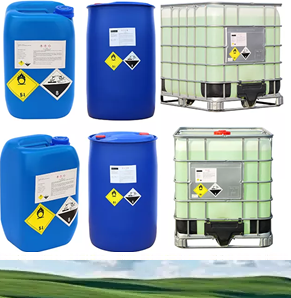
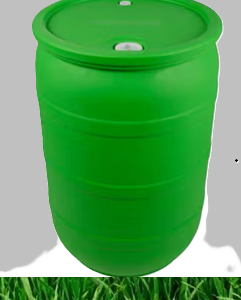
Bulk (55-Gallon Drum, Technical): approximately \$400.00–\$700.00
-
Bulk (330-Gallon Tote, Technical): approximately \$1,800.00–\$2,800.00
The global hydrogen peroxide price as of June 2026 stands at approximately \$0.34/kg in North America and \$0.64/kg in Europe, though these are bulk commodity indices that do not reflect smaller packaged pricing .
> Where to Buy: Visit (https://chemicalssuppliers.com) to browse a curated selection of hydrogen peroxide 30%–35% from verified suppliers. We connect you with manufacturers and distributors offering Technical, ACS, Food, and Electronic grades with competitive pricing and fast shipping.
2. Hydrochloric Acid (HCl) — 30% to 35%
Hydrochloric acid at 30%–35%, also widely known as muriatic acid in its commercial form, is a cornerstone of industrial chemistry. This concentration range represents the most common industrial strength, delivering powerful acid activity for metal processing, pH control, and cleaning while remaining significantly less fuming than 37%–38% solutions .
Key Applications:
-
Steel Pickling and Metal Treatment: HCl at 30%–35% removes mill scale, rust, and oxide layers from steel surfaces before galvanizing, plating, or further processing.
-
Oil Well Acidizing: The petroleum industry injects hydrochloric acid into carbonate formations to enhance oil and gas recovery through matrix acidizing and fracture acidizing treatments.
-
Water Treatment and pH Adjustment: Municipal and industrial water treatment plants use 30%–35% HCl to lower pH, regenerate ion exchange resins, and control alkalinity in cooling towers and boilers.
-
Chemical Manufacturing: HCl serves as a feedstock for producing chlorides, including calcium chloride, zinc chloride, and ferric chloride, as well as various organic chlorination reactions.
-
Food Processing: Food-grade hydrochloric acid at this concentration is used in the production of corn syrups, gelatin, and hydrolyzed vegetable proteins.
-
Concrete Cleaning and Etching: Construction and masonry professionals use muriatic acid (30%–35%) to clean brick, etch concrete before painting, and remove mortar residue.
Current Market Prices (as of mid-2026):
-
Industrial Grade, 1 Gallon: approximately \$18.00–\$35.00
-
Industrial Grade, 4 x 1 Gallon: approximately \$60.00–\$120.00
-
ACS Reagent Grade, 500 mL: approximately \$40.00–\$75.00
-
Bulk (55-Gallon Drum): approximately \$350.00–\$600.00
-
Bulk (Tote / 2500+ lbs): approximately \$1,000.00–\$1,200.00
On the global commodity market, hydrochloric acid prices as of mid-2026 hover around \$106/metric ton in Europe and approximately \$17.54/kg in Northeast Asia, though regional variations are significant .
> Where to Buy: For reliable sourcing of hydrochloric acid 30%–35% in Technical, ACS, and Food grades, visit (https://chemicalssuppliers.com). Our supplier network covers bulk and packaged quantities with transparent pricing.
3. Sodium Hydroxide (NaOH) — 30% to 35% Solution
Sodium hydroxide at 30%–35% concentration, commonly called caustic soda solution or lye solution, is one of the highest-volume industrial chemicals globally. While solid sodium hydroxide (pearls, flakes, or pellets) is also widely used, the 30%–35% aqueous solution form offers easier handling, faster dissolution in downstream processes, and reduced dust hazards .
Key Applications:
-
Chemical Manufacturing: NaOH solution serves as a key reactant in producing soaps, detergents, surfactants, and various sodium compounds including sodium hypochlorite (bleach).
-
Pulp and Paper Processing: The Kraft process relies on sodium hydroxide for wood chip digestion, where it breaks down lignin and liberates cellulose fibers.
-
Water Treatment: pH adjustment, alkalinity control, and neutralization of acidic waste streams are standard applications.
-
Textile Processing: Mercerization of cotton — a treatment that increases fiber strength, luster, and dye affinity — uses 30%–35% NaOH solutions.
-
Food Processing: Food-grade NaOH is used in olive curing, cocoa processing, and pretzel browning.
-
Cleaning and CIP Systems: Clean-in-place systems in the food, dairy, and pharmaceutical industries rely on caustic soda solutions for removing organic residues.
Current Market Prices (as of mid-2026):
-
Technical Grade, 1 Liter: approximately \$15.00–\$25.00
-
Technical Grade, 4 Liters: approximately \$50.00–\$70.00
-
ACS Grade, 1 Quart: approximately \$16.00–\$20.00
-
ACS Grade, 4 Quarts: approximately \$28.00–\$35.00
-
Technical Grade, 20 Liters: approximately \$150.00–\$200.00
-
Bulk (55-Gallon Drum): approximately \$500.00–\$900.00
The global sodium hydroxide commodity price as of June 2026 is approximately \$0.32/kg in North America and \$0.27/kg in Europe, reflecting its status as a high-volume industrial commodity .
> Where to Buy: [chemicalssuppliers.com](https://chemicalssuppliers.com) connects you with verified sodium hydroxide 30%–35% solution suppliers offering Technical, ACS, and Food grades. Compare quotes and order online with confidence.
4. Ammonium Hydroxide (NH₄OH) — 28% to 30%
Ammonium hydroxide, also called ammonia water, aqueous ammonia, or ammonia solution, is commercially available at concentrations typically ranging from 28% to 30% NH₃ in water. This places it squarely within the 30%–35% concentration discussion. It is a clear, colorless liquid with a characteristically pungent ammonia odor .
Key Applications:
-
Industrial Cleaning Agents: Ammonium hydroxide is a key ingredient in many commercial and industrial cleaning formulations, where its alkalinity and grease-cutting ability prove invaluable.
-
Water Treatment: Ammonia solution is used to generate chloramines for municipal water disinfection, providing longer-lasting residual protection than free chlorine.
-
Semiconductor Manufacturing: Combined with hydrogen peroxide and water, ammonium hydroxide forms Standard Clean 1 (SC-1) solution in the RCA wafer cleaning process .
-
Fertilizer Production: Ammonium hydroxide serves as a nitrogen source in liquid fertilizer blends and is a precursor for ammonium salts like ammonium nitrate and ammonium phosphate.
-
Food Processing: Food-grade ammonium hydroxide is used as a pH control agent, leavening agent, and antimicrobial processing aid in various food products.
-
Metal Treatment: Ammonium hydroxide is employed in metal surface preparation, case hardening, and as a complexing agent in electroplating baths.
Current Market Prices (as of mid-2026):
-
Technical Grade, 1 Quart (29%): approximately \$26.00–\$35.00
-
ACS Reagent Grade, 500 mL (28–30%): approximately \$35.00–\$60.00
-
ACS Reagent Grade, 2.5 Liters (28–30%): approximately \$110.00–\$140.00
-
ACS Reagent Grade, 3.8 Liters (28–30%): approximately \$55.00–\$60.00
-
Puriss Grade (30–33%), 1 Liter: approximately \$70.00
> Where to Buy: Find ammonium hydroxide 28%–30% in ACS, Technical, and Food grades at [chemicalssuppliers.com](https://chemicalssuppliers.com). Our supplier network ensures you receive quality-certified product with full documentation.
5. Sulfuric Acid (H₂SO₄) — 30% to 35%
Sulfuric acid at 30%–35%, sometimes called battery acid concentration or dilute sulfuric acid, is widely used in lead-acid battery electrolytes, metal processing, and various industrial applications. While concentrated sulfuric acid (93%–98%) dominates the commodity market, the 30%–35% range is preferred where the full corrosivity of concentrated acid is unnecessary or undesirable .
Key Applications:
-
Lead-Acid Battery Electrolyte: The standard electrolyte in automotive and industrial lead-acid batteries is typically 30%–37% sulfuric acid, which provides the optimal ionic conductivity and electrochemical performance .
-
Metal Finishing and Pickling: Dilute sulfuric acid at this concentration removes light rust and scale from iron and steel surfaces.
-
pH Adjustment: Industrial wastewater treatment facilities use 30%–35% H₂SO₄ to neutralize alkaline waste streams.
-
Chemical Synthesis: Many chemical reactions that require acidic conditions use sulfuric acid at this concentration as a catalyst or reactant.
-
Mining and Mineral Processing: Sulfuric acid is used in the leaching of copper, uranium, and other metals from ores.
Current Market Prices (as of mid-2026):
-
Industrial Grade, 250 mL: approximately \$23.00–\$24.00
-
Industrial Grade, 1 Gallon: approximately \$40.00–\$80.00
-
Industrial Grade, 5 Gallons: approximately \$81.00–\$150.00
-
Bulk (55-Gallon Drum): approximately \$350.00–\$700.00
-
Bulk pricing via CORECHEM: approximately \$81.63–\$363.96 depending on volume
> Where to Buy: For sulfuric acid 30%–35% in various grades and quantities, browse verified supplier listings at [chemicalssuppliers.com](https://chemicalssuppliers.com).
6. Nitric Acid (HNO₃) — 35%
Nitric acid at 35% concentration (w/w or w/v) is less common as a bulk industrial commodity than the 60%–68% grades, but it remains important in specialized laboratory, analytical, and niche industrial applications. Volumetric-grade 35% nitric acid is frequently used in titrations and analytical chemistry workflows .
Key Applications:
-
Analytical Chemistry: 35% w/v nitric acid is a standard reagent for volumetric analysis, trace metal digestion, and sample preparation.
-
Metal Etching and Brightening: Dilute nitric acid is used to etch and brighten non-ferrous metals including copper and brass.
-
Laboratory Research: Chemical synthesis, acid digestion, and glassware cleaning in research settings.
-
Electronics: Selective etching of semiconductors and circuit boards.
Current Market Prices (as of mid-2026):
-
35% w/v Volumetric Grade, 2.5 Liters: approximately \$365.00–\$382.00
-
35% w/w Reagent Grade, 1 Liter: approximately \$50.00–\$90.00 (UK market)
> Where to Buy: Visit (https://chemicalssuppliers.com) to source nitric acid and other mineral acids in the 30%–35% range from pre-vetted chemical distributors.
Industry Applications of 30%–35% Concentration Chemicals
Water and Wastewater Treatment
The water treatment sector is one of the largest consumers of chemicals in the 30%–35% range. Hydrogen peroxide at 30%–35% is used for advanced oxidation processes that destroy recalcitrant organic contaminants, eliminate hydrogen sulfide odors, and reduce biochemical oxygen demand. Sodium hydroxide at 30% adjusts pH upward, while hydrochloric acid and sulfuric acid at comparable concentrations adjust pH downward. Together, these chemicals form the backbone of industrial and municipal water treatment chemistry.
Electronics and Semiconductor Fabrication
Perhaps no industry illustrates the importance of precise chemical concentration better than semiconductor manufacturing. The RCA cleaning protocol, used universally in wafer fabrication, relies on two solutions that each contain chemicals in the 30%–35% range:
-
SC-1 (Standard Clean 1): A mixture of ammonium hydroxide (29%), hydrogen peroxide (30%), and deionized water, typically in a 1:1:5 ratio, heated to 75–80°C. This removes organic residues and particles.
-
SC-2 (Standard Clean 2): A mixture of hydrochloric acid (30%–35%), hydrogen peroxide (30%), and deionized water, typically in a 1:1:6 ratio, heated to 75–80°C. This removes metallic contaminants.
In this context, any deviation from the specified concentration or the presence of trace metal impurities can compromise wafer yield, making electronic-grade chemicals at this concentration indispensable .
Pulp, Paper, and Textiles
The pulp and paper industry consumes enormous volumes of 30%–35% hydrogen peroxide for mechanical pulp bleaching and chemical pulp brightening. Sodium hydroxide at similar concentrations is used in the Kraft pulping process. In textiles, 30% hydrogen peroxide is the preferred bleaching agent for natural fibers, and 30% sodium hydroxide is used for cotton mercerization .
Food and Beverage Processing
Food-grade chemicals in the 30%–35% range play critical roles:
-
Hydrogen peroxide (35% Food Grade) sterilizes aseptic packaging materials like Tetra Pak cartons.
-
Hydrochloric acid (Food Grade) hydrolyzes starches and proteins in ingredient manufacturing.
-
Sodium hydroxide (Food Grade) is used in olive curing, cocoa alkalization, and pretzel production.
-
Ammonium hydroxide (Food Grade) serves as a pH control agent and antimicrobial in meat processing.
Oil and Gas Industry
Hydrochloric acid at 30%–35% is injected into oil and gas wells to dissolve carbonate formations and enhance hydrocarbon recovery. This well stimulation technique, known as matrix acidizing, can significantly increase production rates from aging wells.
Safety Considerations When Handling 30%–35% Chemicals
Chemicals in this concentration range, while generally safer than their concentrated counterparts, still demand rigorous safety protocols. They are corrosive, oxidizing, or caustic enough to cause serious injury on contact.
General Safety Guidelines
-
Personal Protective Equipment (PPE) is non-negotiable: chemical splash goggles (not just safety glasses), chemical-resistant gloves (neoprene, butyl rubber, or PVC depending on the chemical), and a chemical-resistant apron or suit.
-
Respiratory protection may be necessary when working with ammonium hydroxide (ammonia vapors) or hydrochloric acid (acid mist), particularly in poorly ventilated areas.
-
Eye wash stations and safety showers must be accessible within 10 seconds of any workspace where these chemicals are handled.
-
Always add acid to water, never water to acid, to prevent violent exothermic reactions and splashing.
-
Hydrogen peroxide at 30%–35% is a strong oxidizer. Keep it away from combustible materials, reducing agents, and transition metal salts, which can catalyze rapid decomposition .
-
Ammonium hydroxide releases ammonia gas, which is toxic and irritating to the respiratory tract. Use in a fume hood or well-ventilated area.
-
Spill containment materials appropriate for each chemical (acid neutralizers, absorbents) should be maintained near storage and use areas.
Storage Requirements
-
Store in cool, dry, well-ventilated areas away from direct sunlight and heat sources.
-
Hydrogen peroxide requires vented caps to prevent pressure buildup from slow oxygen evolution.
-
Ammonium hydroxide must be stored separately from acids, halogens, and oxidizing agents.
Where to Buy 30%–35% Purity Chemicals
chemicalssuppliers.com — Your Trusted Chemical Sourcing Platform
At [chemicalssuppliers.com](https://chemicalssuppliers.com), we have built a comprehensive marketplace connecting industrial buyers with verified chemical manufacturers and distributors. Whether you need a single gallon of hydrogen peroxide 30% for a small-scale operation or a full tanker load of hydrochloric acid 35% for continuous production, our platform streamlines the procurement process.
Why choose chemicalssuppliers.com?
-
Verified Suppliers: Every supplier on our platform undergoes a rigorous vetting process.
-
Transparent Pricing: Compare quotes from multiple suppliers to secure the best deal.
-
Full Documentation: Access certificates of analysis (CoA), safety data sheets (SDS), and technical data sheets before ordering.
-
Flexible Quantities: From laboratory-scale to bulk industrial volumes.
-
Multiple Grades Available: Technical, ACS, Reagent, USP, Food Grade, and Electronic Grade across the 30%–35% concentration spectrum.
Other Reputable Supplier Channels
While [chemicalssuppliers.com](https://chemicalssuppliers.com) offers a comprehensive solution, other established chemical distributors in the space include:
-
[Lab Alley](https://www.laballey.com) — A respected source for laboratory and small industrial quantities, offering hydrogen peroxide, sodium hydroxide, and ammonium hydroxide in ACS and Technical grades .
-
[Alliance Chemical](https://alliancechemical.com) — Provides a broad range of chemicals in the 30%–35% bracket with transparent online pricing, including hydrogen peroxide technical grade and sodium hydroxide ACS grade .
-
[CORECHEM Inc.](https://corecheminc.com) — A reliable industrial supplier for sulfuric acid and other bulk chemicals .
-
[Fisher Scientific](https://www.fishersci.com) and [Thermo Fisher Scientific](https://www.thermofisher.com) — Leading sources for ACS and Reagent grade chemicals with nationwide distribution .
Factors That Influence Pricing in the 30%–35% Concentration Range
Understanding what drives the cost of chemicals in this range helps procurement managers budget accurately and negotiate effectively.
1. Raw Material Costs
The upstream cost of key feedstocks — natural gas (for ammonia), chlorine (for HCl), sulfur (for sulfuric acid), and propylene (for hydrogen peroxide via the anthraquinone process) — directly impacts downstream chemical pricing.
2. Concentration and Grade
Higher concentrations within the 30%–35% band generally cost more per unit volume. More significantly, the purity grade (Technical vs. ACS vs. Food Grade) can double or triple the price for the same nominal concentration.
3. Packaging and Logistics
Chemicals in this concentration range are classified as hazardous materials for transportation. Shipping costs, UN-rated packaging, and hazmat surcharges can add significantly to the final invoice, especially for small-quantity orders. Bulk purchases (drums and totes) dramatically reduce the per-unit cost.
4. Regional Market Dynamics
Commodity chemical prices vary by region. For example, Northeast Asian prices for sodium hydroxide (\$0.10/kg) are significantly lower than North American prices (\$0.32/kg) as of mid-2026, reflecting differences in production capacity, energy costs, and trade flows .
5. Seasonal Demand
Certain chemicals exhibit seasonal price patterns. Hydrogen peroxide demand for swimming pool treatment rises in summer; hydrochloric acid for de-icing and industrial cleaning peaks in winter.
How to Select the Right Concentration and Grade
Choosing between a 30%, 32%, or 35% solution — and between Technical, ACS, or Food Grade — requires careful consideration of your specific application:
-
Define your process requirements: What is the minimum acceptable active ingredient concentration for your application? Will a slightly lower concentration (e.g., 30% instead of 35%) still achieve your goals at a lower price?
-
Assess purity needs: If your application involves food contact, pharmaceutical manufacturing, or sensitive analytical work, do not compromise on grade — the cost of a contamination event far exceeds the price premium for the correct grade.
-
Consider handling infrastructure: Do you have the storage tanks, piping, and PPE systems to safely manage a 35% solution, or would a 30% solution reduce risk while providing adequate performance?
-
Evaluate total cost of ownership: Factor in not just the purchase price but also shipping, storage, waste disposal, and the cost of any dilution or adjustment steps in your process.
Conclusion
The 30%–35% chemical purity concentration percentage represents a strategic sweet spot in industrial chemistry — potent enough for demanding applications yet manageable enough for routine handling. From hydrogen peroxide bleaching pulp to hydrochloric acid stimulating oil wells, from sodium hydroxide mercerizing cotton to ammonium hydroxide cleaning semiconductor wafers, chemicals in this concentration band power the processes that drive the modern economy.
Understanding the nuances of concentration, grade, pricing, and sourcing is essential for any chemical buyer. At [chemicalssuppliers.com](https://chemicalssuppliers.com), we are committed to simplifying that process. Visit our website today to browse our supplier network, compare quotes, and secure the 30%–35% chemicals your operation needs — at competitive prices and with the quality assurance your process demands.
Ready to source? Explore our listings at [chemicalssuppliers.com](https://chemicalssuppliers.com) and connect with trusted chemical suppliers worldwide.
Keyword Tags
30% chemical concentration, 35% chemical purity, chemical concentration percentage, 30 percent hydrogen peroxide, 35 percent hydrogen peroxide, industrial chemical concentration, moderate-strength chemicals, mid-tier purity chemicals, hydrogen peroxide 30% price, hydrochloric acid 35% price, sodium hydroxide 30% solution, ammonium hydroxide 30%, sulfuric acid 35%, nitric acid 35%, muriatic acid 30%, caustic soda solution 30%, aqueous ammonia 30%, industrial peroxide solution, concentrated H₂O₂, battery acid concentration, chemical purity grades, ACS grade chemicals, technical grade chemicals, reagent grade chemicals, food grade hydrogen peroxide, electronic grade chemicals, semiconductor grade peroxide, RCA cleaning chemicals, SC-1 solution, SC-2 solution, water treatment chemicals, wastewater treatment peroxide, pulp bleaching chemicals, textile bleaching peroxide, cotton mercerization NaOH, steel pickling HCl, oil well acidizing hydrochloric acid, chemical sourcing platform, buy industrial chemicals online, chemical supplier marketplace, bulk chemical pricing, chemical price comparison, chemical procurement, industrial chemical supplier, chemical distributor, hydrogen peroxide supplier, hydrochloric acid supplier, sodium hydroxide supplier, sulfuric acid supplier, ammonium hydroxide supplier, chemicalssuppliers.com, buy chemicals online, industrial chemicals for sale, wholesale chemicals, chemical marketplace, lab chemicals supplier, bulk hydrogen peroxide, bulk hydrochloric acid, chemical safety guidelines, chemical storage requirements, hazardous material handling, chemical PPE requirements, chemical pricing trends 2026, hydrogen peroxide price index, sodium hydroxide market price, hydrochloric acid commodity price