Chemical Purity: A Guide to 3% to 35% Concentration Percentages
In industrial, laboratory, and household applications, the concept of chemical purity and concentration levels is paramount. Whether you are dealing with hydrogen peroxide for medical sanitation, acetic acid for food preservation, or specialized reagents for analytical testing, understanding the significance of 3% to 35% concentration percentages is essential for safety, efficacy, and success in your projects.
At ChemicalsSuppliers.com, we pride ourselves on being the global authority on high-quality chemical sourcing. This guide explores the critical nuances of chemical purity, how these concentrations affect performance, and why choosing the right supplier is the most important decision you will make in your procurement process.
What Does “Concentration Percentage” Really Mean?
When you see a label stating “35% concentration,” it usually refers to the mass fraction or volume fraction of the solute dissolved in a solvent (typically water).
- 3% Concentration: Often referred to as “dilute” or “household grade.” It is generally safe for consumer handling with minimal protective gear.
- 35% Concentration: Often referred to as “industrial grade” or “concentrated.” This level requires strict safety protocols, specialized storage, and often professional training to handle.
Understanding the difference is not just a matter of potency; it is a matter of chemical reactivity. A 3% solution of a substance may act as a mild sanitizer, while a 35% solution of the same substance could be highly corrosive or reactive.
The Spectrum of Purity: Examples in Practice
To help you distinguish between varying levels of chemical purity concentration, let’s look at some of the most common substances handled at these levels.
1. Hydrogen Peroxide ($H_2O_2$)
- 3% Concentration: The standard brown bottle found in pharmacies. Used for minor cuts and abrasions.
- 35% Concentration: Known as “Food Grade” or “Technical Grade.” It is used in the bleaching industry, electronics manufacturing, and as a potent oxidizer in water treatment.
- Price Insight: While 3% solutions are inexpensive (approx. $5–$10 per liter), 35% concentrations command higher market rates due to shipment handling fees for hazardous materials (ranging from $40–$150 depending on purity grade and volume).
2. Acetic Acid / Vinegar
- 3–5% Concentration: Standard white vinegar used in cooking and home cleaning.
- 35% Concentration: Known as “Horticultural Vinegar.” It is highly effective as a natural herbicide. It is not for consumption and can cause chemical burns.
3. Sodium Hydroxide (Lye) Solutions
- Concentrations vary: While often sold as solid beads, liquid solutions at 30-35% are staples in the soap-making and biodiesel industries.
The Importance of High-Purity Chemicals
Why settle for anything less than industry-standard purity? In analytical chemistry or pharmaceutical manufacturing, using a chemical with a 3% impurity level can “poison” an entire batch of product.
At ChemicalsSuppliers.com, we emphasize Analytical Reagent (AR) grade purity. We ensure that our supply chain minimizes trace heavy metals, unintended byproducts, and atmospheric contaminants.
Factors Affecting Stability
As concentration levels hit the 35% mark, many chemicals become unstable. Factors such as:
- Temperature: Higher concentrations are more reactive to heat.
- Light Exposure: Photodegradation can occur, reducing the actual concentration percentage over time.
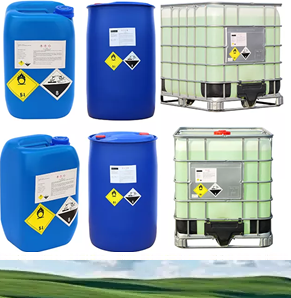
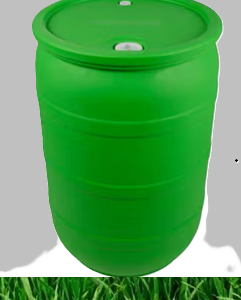
- Container Material: High-purity chemicals (especially at 35%) require specialized high-density polyethylene (HDPE) or glass containers to prevent leaching.
Comparative Pricing Table: 3% vs. 35% Chemical Grades
Note: Prices are estimates and vary based on supplier, shipping location, and current global supply chain trends.
| Chemical Type |
Target Concentration |
Average Price (Small Vol) |
Industry Application |
| Hydrogen Peroxide |
3% |
$7.00/L |
First Aid, Household |
| Hydrogen Peroxide |
35% |
$65.00/L |
Industrial Disinfection |
| Acetic Acid |
5% |
$4.00/L |
Culinary |
| Acetic Acid |
35% |
$35.00/L |
Agricultural Weed Control |
| Nitric Acid |
35% |
$85.00/L |
Metal Etching/Lab |
For bulk, industrial-scale pricing, please visit our catalog at ChemicalsSuppliers.com.
Safety Guidelines for Handling Concentrated Chemicals
Handling chemicals at the 35% concentration level is significantly more hazardous than handling 3% consumer-grade alternatives. Here is your safety checklist:
- Personal Protective Equipment (PPE): Always wear chemical-resistant gloves (nitrile or neoprene), safety goggles, and a lab coat or apron.
- Ventilation: Use high-concentration chemicals in a fume hood or a well-ventilated area to avoid inhalation of vapors.
- Storage: Store in original, labeled containers. Keep away from direct sunlight and store in a cool, dry place. Ensure that incompatible chemicals are stored separately.
- Dilution: Always add acid to water (never water into acid) when diluting highly concentrated substances to prevent exothermic reactions.
How to Choose the Right Supplier
The internet is flooded with “chemical sellers,” but identifying a reliable supplier is crucial for the safety of your laboratory or business. When you order from ChemicalsSuppliers.com, you are guaranteed:
- Verified Purity: Every batch is tested.
- Transparent Sourcing: We source from top-tier chemical manufacturers worldwide.
- Safety Data Sheets (SDS): Every shipment includes comprehensive SDS documentation to ensure your team is trained and prepared.
- Logistics Expertise: Chemicals at 35% concentration are often classified as Dangerous Goods (DG). We handle all regulatory logistics to ensure your order arrives safely and legally.
Why 3% – 35% Concentration Matters for Your Industry
1. Water Treatment and Environmental Protection
Municipalities rely on specific concentrations of oxidizers to neutralize pollutants. Using a 3% solution where a 35% is required leads to system failure, while using a 35% solution where a 3% is required can lead to dangerous chemical spikes in the water supply.
2. Research and Development
In the R&D stage, precision is everything. If your experiment requires a 30% concentration, starting with a 3% source will never yield the correct chemical activity. Sourcing high-concentration reagents allows for modular dilution into any desired strength.
3. Food and Beverage Manufacturing
The food industry operates on strict ppm (parts per million) regulations. Accurate concentration-grade chemicals ensure that sanitization processes comply with FDA and international health standards.
Shopping at ChemicalsSuppliers.com: A Step-by-Step Guide
Procuring high-quality chemicals should not be a complex process. Here is how you can find exactly what you need on our platform:
- Browse by Category: Visit the ChemicalsSuppliers homepage. Navigate to the “Concentrated Reagents” section.
- Filter by Concentration: Use our sidebar filter to select your desired purity range (e.g., 30–35% High Purity).
- Check Documentation: Click on any product to view the Certificate of Analysis (COA) and Safety Data Sheet (SDS).
- Bulk Quote Requests: Planning a large-scale project? Use our bulk order form to get competitive pricing on drum-sized quantities.
- Secure Checkout: Our global distribution network ensures that your chemicals are packaged and shipped according to international hazardous material standards.
Frequently Asked Questions (FAQ)
Q: Can I turn a 35% concentration chemical into a 3% solution? A: Yes, through a process called dilution. However, this must be done using sterile water and appropriate calculations to ensure accurate concentration. Always wear full PPE when performing dilutions.
Q: Why is 35% chemical concentration more expensive than 3%? A: It is not just about the chemical itself; it is about the cost of logistics. 35% concentrations fall under stricter shipping regulations, requiring hazardous materials packaging, specialized labeling, and specific carrier certifications.
Q: Are your chemicals lab-grade? A: We provide various grades, including Technical, USP, and Analytical Reagent (AR) grade. Please check the specific product description on ChemicalsSuppliers.com to confirm the grade matches your laboratory requirements.
Conclusion: The Path Forward
The difference between a failing project and a successful breakthrough often comes down to the quality of your raw materials. Whether you are seeking a mild 3% concentration for a household disinfectant or a robust 35% concentration for industrial manufacturing, the purity of your source matters.
At ChemicalsSuppliers.com, we provide the bridge between global manufacturers and the end-user, ensuring that you receive the exact chemical concentration your project requires. Safety, transparency, and purity are not just goals for us—they are the foundation of our business.
Ready to place your order or need technical advice? Visit our store today and explore our catalog. For custom chemical blending or bulk wholesale inquiries, contact our expert team through our website interface.
External Resources for Further Learning
KeywordTags
#ChemicalPurity #ConcentrationPercentage #ChemicalSuppliers #35PercentConcentration #HydrogenPeroxide #LaboratoryReagents #IndustrialChemicals #ChemicalSafety #ChemicalSourcing #AnalyticalGrade #BulkChemicals #AceticAcid #LabSupplies #ChemicalEngineering #HazardousMaterials #ChemicalLogistics #PurityStandards #ChemicalSolutions #QualityControl #ChemicalDistribution #ChemicalsSuppliers