28%–30% Chemical Purity Concentrations: A Comprehensive Industrial Guide
In chemical manufacturing, laboratory research, and industrial processing, precision is everything. When you source chemicals, you aren’t just buying a substance; you are buying a specific level of potency and reliability. Among the most sought-after specifications in the global market is the 28%–30% chemical purity concentration range.
Whether you are looking for aqueous ammonia, specific acid reagents, or specialty industrial solutions, understanding why the 28%–30% threshold is a “sweet spot” for many applications is vital. At ChemicalsSuppliers.com, we bridge the gap between high-grade chemical production and your industrial requirements.
What Does 28%–30% Chemical Purity Mean?
In chemistry, concentration refers to the abundance of a constituent divided by the total volume of a mixture. When a product is labeled as having a 28%–30% purity or concentration, it means that by weight or volume, 28 to 30 parts of the active solute are dissolved in the solvent (usually water or a specific carrier fluid).
This range is frequently cited as the standard for stability and reactivity. Going higher than 30% often causes issues with vapor pressure, volatility, or safety during transportation. Going significantly lower may require the end-user to perform excessive amounts of dilution, which is inefficient.
Why This Range?
- Chemical Stability: Many substances, particularly nitrogen-based compounds or certain acids, become highly volatile or corrosive once they exceed the 30% concentration threshold.
- Transportation Logistics: Chemicals in this range often fall under specific safety classifications that make shipping more predictable and manageable.
- Efficiency: For industrial water treatment, pH balancing, or manufacturing precursors, this concentration provides the perfect balance of potency for direct application or simple, controlled dilution.
Examples of Chemicals in the 28%–30% Concentration Range
Several critical industrial chemicals fall strictly into this bracket. Understanding their specific uses helps you make an informed purchase decision.
1. Aqueous Ammonia (Ammonium Hydroxide)
Perhaps the most famous chemical found in the 28%–30% purity range is Ammonium Hydroxide. Often referred to as “strong ammonia solution,” it is used extensively in:
- Fertilizer Production: An essential nitrogen source.
- Water Treatment: Used to control pH levels and treat municipal water supplies.
- Industrial Cleaning: Acting as a powerful degreaser for high-precision machinery.
2. Hydrogen Peroxide (Specialty Grades)
While hydrogen peroxide is available in various strengths, the 28%–30% range (often referred to as “technical grade”) is a workhorse in:
- Textile Bleaching: Removing colorants from raw fabrics.
- Pulp and Paper: Brightening paper pulp without the ecological damage caused by chlorine.
- Electronic Manufacturing: Etching and cleaning silicon wafers.
3. Specialty Mineral Acids
Certain diluted mineral acids are prepared at a 28%–30% concentration to ensure they can be handled safely without sacrificing the strength needed for descaling boilers, heat exchangers, or etching metal surfaces.
Detailed Pricing Analysis (Market Estimates)
Pricing in the chemical sector is rarely static. It is influenced by the Commodity Market Index, supply chain logistics, and the purity grade (Technical vs. ACS Reagent).
| Chemical Type |
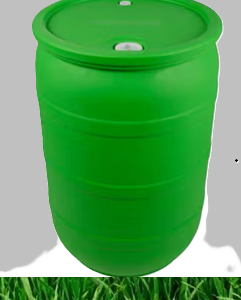
Estimated Price Range (per 55-Gallon Drum) |
Price per Liter (Small/Medium Scale) |
| Aqueous Ammonia (28-30%) |
$350 – $600 |
$2.50 – $4.50 |
| Hydrogen Peroxide (30%) |
$450 – $800 |
$3.50 – $6.00 |
| Specialty Industrial Acids |
$500 – $1,200 |
$5.00 – $9.00 |
Note: Prices fluctuate based on global demand, energy costs, and shipping logistics. Always request a formal quote at ChemicalsSuppliers.com for current market pricing.
Safety and Handling: The Importance of Concentration
Handling chemicals with 28%–30% concentration requirements is not a task for the unprepared. At this concentration, chemicals can be:
- Corrosive: They can cause severe skin burns and eye damage.
- Fuming: Specifically with ammonia, at 28–30%, the substance can release intense vapors. Proper ventilation and PPE (Personal Protective Equipment) are mandatory.
- Reactive: Improper storage (e.g., mixing with incompatible acids or organic solvents) can lead to exothermic reactions or toxic gas releases.
Best practices include:
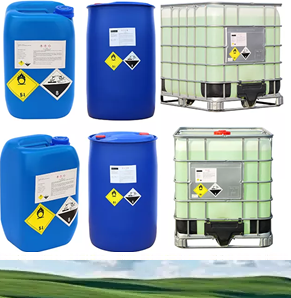
- Secondary Containment: Always place drums or totes in a containment tray.
- Temperature Control: Store in a cool, dry, well-ventilated area away from direct sunlight.
- Material Compatibility: Only use containers compatible with the chemical (e.g., HDPE plastic or specialized stainless steel).
Where to Buy: Choosing a Reliable Chemical Supplier
The market is flooded with brokers, but finding a direct link to a reliable supplier is crucial for supply chain integrity. When purchasing, look for:
- Certificates of Analysis (COA): Every batch should have a COA verifying the 28–30% purity.
- Safety Data Sheets (SDS): Updated SDS documentation should be provided with every order.
- Logistics Expertise: Chemicals in this concentration range require specialized handling during transport.
We provide a streamlined procurement process for laboratories, research facilities, and industrial manufacturers. By focusing on quality control, we ensure that the 28%–30% chemical concentration you order is exactly what hits your loading dock.
Visit ChemicalsSuppliers.com to browse our inventory and request a quote today.
The Future of High-Purity Chemicals
As industrial processes become more automated, the demand for “pre-mixed” chemicals at specific concentrations like 28%–30% is rising. This reduces human error, saves time, and improves safety on the factory floor. We expect this trend to continue as green manufacturing initiatives push for more accurate chemical dosage, reducing waste.
Frequently Asked Questions (FAQ)
Q: Is 30% concentration stronger than 28%? A: Yes, by a margin of 2%. In precision industrial applications, this 2% difference can be significant for titration or chemical reaction balancing. Always verify your specific requirements.
Q: Can I dilute 30% chemicals to lower concentrations? A: Yes, dilution is standard practice. However, always follow safety protocols, such as adding chemicals to water (never water to chemicals) to prevent dangerous splashing.
Q: Where can I find shipping requirements for these chemicals? A: Shipping hazardous materials is governed by local and international law (e.g., DOT Regulations). Our team at ChemicalsSuppliers.com assists in navigating these requirements to ensure safe delivery.
Conclusion
Sourcing chemicals at a 28%–30% concentration is an exercise in balancing industrial utility and safety. By choosing the right supplier, you ensure that your projects remain on track and compliant with all safety standards. Whether you are an industrial giant or a specialized research facility, having access to consistent, high-purity chemical stocks is the foundation of your success.
Ready to place your order or need technical support? Visit our website at ChemicalsSuppliers.com and let us help you source the building blocks for your next breakthrough.
External Resources for Further Learning
Tags
#ChemicalPurity #28PercentChemicals #30PercentConcentration #IndustrialChemicals #ChemicalSupplyChain #AmmoniumHydroxide #HydrogenPeroxide #ChemicalSuppliers #IndustrialChemicalPricing #ChemicalDistributors #HighPurityChemicals #ChemicalSafety #LaboratorySupplies #ManufacturingChemicals #ChemicalSolutions #BulkChemicals #MaterialSafety #ChemicalLogistics #ChemicalGrade #IndustrialProcurement #ChemicalsSuppliersDotCom #TechnicalGradeChemicals #ChemicalBlending #WaterTreatmentChemicals #CleaningAgents #ChemicalIndustryTrends