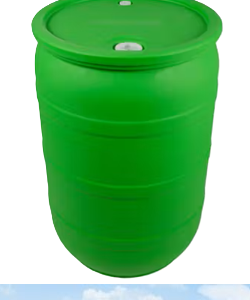
25% – 30% Chemical Purity Concentration: A Guide for Industrial and Laboratory Excellence
In the vast ecosystem of industrial chemistry, research, and manufacturing, the concept of chemical purity concentration is the bedrock of success. Whether you are operating a large-scale chemical processing plant, conducting sensitive pharmaceutical research, or managing a specialized laboratory, the concentration level of your reagents dictates the precision of your outcomes.
At ChemicalsSuppliers.com, we recognize that sourcing chemicals with specific concentration percentages—specifically the 25% to 30% purity range—is a frequent requirement for many standardized reactions. This comprehensive guide serves as your ultimate resource for understanding, handling, and sourcing these chemical grades effectively.
What Does 25% – 30% Concentration Actually Mean?
When you encounter chemicals labeled with a 25% or 30% concentration, you are looking at a solution that contains a specific mass or volume fraction of the solute dissolved in a solvent (typically water, unless otherwise specified).
In industrial terms, a 25% to 30% concentration is often referred to as a “Working Concentration” or a “Concentrated Industrial Grade.” Many reagents, such as Ammonium Hydroxide or Hydrogen Peroxide, are commercially distributed at these percentages because they provide the ideal balance between chemical reactivity and safety for transport and storage.
Why This Range Matters
- Stability: Higher concentrations (e.g., 90%+) can be volatile, highly reactive, or unstable. The 25%–30% range often offers a more chemically stable profile while remaining potent enough for effective reactions.
- Cost-Efficiency: Shipping highly concentrated chemicals involves complex safety regulations. A 25%–30% solution creates a more manageable logistics profile, often leading to better price points for businesses.
- Ease of Dilution: For laboratory professionals, starting with a 30% stock solution allows for easier, more accurate serial dilutions compared to working with highly fuming, concentrated acids or bases.
Examples of Chemicals in the 25% – 30% Purity Range
Many essential industrial chemicals are standardized at this specific concentration. Below are a few key examples that we frequently supply at ChemicalsSuppliers.com:
1. Ammonium Hydroxide (Aqueous Ammonia)
Ammonium hydroxide is commonly found in concentrations of 25% to 30%. It is a vital reagent in the manufacturing of fertilizers, cleaning agents, and as a precursor in the production of various organic compounds.
- Uses: pH adjustment, synthesis of pharmaceuticals, and metal processing.
2. Hydrogen Peroxide (H₂O₂)
While medical-grade peroxide is typically 3%, industrial-grade hydrogen peroxide is often supplied at 30%. This concentration is powerful enough to act as a potent bleaching agent in the textile and paper industries and as a strong oxidizer in wastewater treatment.
- Note: Always handle this concentration with specialized PPE due to its oxidative properties.
3. Sodium Hydroxide (Caustic Soda) Solutions
While pure Sodium Hydroxide is a solid, aqueous solutions are often sold at standardized concentrations. A 25%–30% caustic solution is frequently used in industrial cleaning, food processing, and chemical synthesis.
Pricing Overview: Factors Influencing Cost
When sourcing chemicals at the 25%–30% purity level, several factors influence the final price. At ChemicalsSuppliers.com, we pride ourselves on transparency.
| Chemical Type |
Estimated Price Range (per Liter/Kg)* |
Common Packaging |
| Ammonium Hydroxide (28%) |
$15 – $45 |
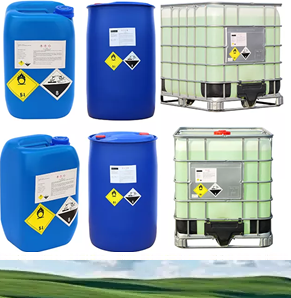
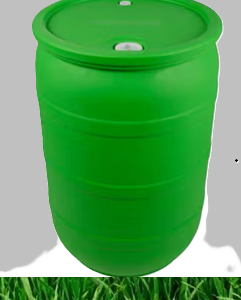
5L / 25L Drum |
| Hydrogen Peroxide (30%) |
$20 – $55 |
1L / 10L / 20L |
| Sodium Hydroxide (25%) |
$12 – $40 |
25L Container |
*Note: Prices are dynamic and fluctuate based on market availability, purity grade (Technical vs. ACS Reagent grade), and bulk volume discounts. For the most up-to-date pricing, please visit our official quote page.
Best Practices for Handling 25%–30% Concentrations
Even though these chemicals are not as volatile as their concentrated counterparts, they are still hazardous materials (HAZMAT).
- Personal Protective Equipment (PPE): Always use chemical-resistant gloves (nitrile is often sufficient, check SDS), laboratory goggles, and a lab coat.
- Storage: Store in a cool, dry, and well-ventilated area. Use secondary containment bins to prevent spills from spreading.
- Incompatibility: Avoid storing oxidizing agents (like 30% H₂O₂) near flammable materials or organic solvents.
- Labeling: Every container must be clearly marked with the chemical name, concentration percentage, and date of acquisition.
Why Choose ChemicalsSuppliers.com?
We distinguish ourselves from other suppliers by focusing on three core pillars: Purity, Reliability, and Safety.
- Verified Purity: Every batch of chemical we supply undergoes rigorous quality control testing to ensure it meets the labeled concentration of 25%–30%. You don’t have to worry about “drift” in your chemical concentrations.
- Global Logistics: Whether you are in North America, Europe, or Asia, our shipping network is equipped to handle the transport of chemical goods according to international safety standards.
- Client Support: Our team of chemists is always available to help you understand how to store or use the chemicals you purchase from our site.
Ready to source your chemicals? Visit our catalog page to see our full inventory.
Identifying Chemical Grade vs. Concentration
A common point of confusion for new purchasers is the difference between purity concentration and chemical grade.
- Technical Grade: Suitable for industrial use, but may contain trace impurities that do not interfere with reaction efficiency.
- ACS Reagent Grade: Meets the strict standards set by the American Chemical Society. This is the gold standard for analytical chemistry.
- USP/NF Grade: Specifically for the pharmaceutical and food industries, ensuring minimal contaminants.
When you buy a 30% solution, check the grade to ensure it fits your application. A 30% technical grade hydrogen peroxide is excellent for cleaning industrial pipes, but a 30% reagent grade is necessary for precise chemical synthesis in a laboratory.
Detailed Chemical Profiles
The Chemistry of Hydrogen Peroxide (30%)
Hydrogen Peroxide at 30% (often called “Perhydrol”) is an immensely versatile chemical. It acts as an oxidizing agent by releasing oxygen radicals. In the textile industry, it is preferred over chlorine-based bleaches because it is more environmentally friendly, breaking down into water and oxygen.
- Safety Tip: Always store in a vented container, as it naturally decomposes into oxygen gas, which can build pressure in sealed vessels.
The Dynamics of Ammonium Hydroxide (25%–30%)
Ammonium hydroxide (often referred to as aqueous ammonia) is the solution of ammonia gas in water. It is a weak base that is essential for buffering solutions. Its 25%–30% concentration is the standard for shelf-stable liquid ammonia.
- Application: Used prominently in the semiconductor industry for the cleaning of silicon wafers to remove organic and metallic contaminants.
Navigating Chemical Regulations
Operating in the chemical supply industry requires strict adherence to international laws. When purchasing chemicals, you may need to provide:
- End-Use Statement (EUS): Explaining how you will use the chemical.
- Safety Data Sheets (SDS): We provide updated SDS with every shipment to ensure your safety compliance.
- Compliance Checks: We adhere to all local chemical import regulations to ensure your order arrives smoothly without being held at customs.
Frequently Asked Questions (FAQs)
Q: Can I dilute your 30% chemical to a 10% solution? A: Yes. Use the C1V1 = C2V2 equation. To dilute a 30% solution to 10% for 1 liter, you would use 333ml of the 30% stock and add 667ml of distilled water. Always add the chemical to the water, not the water to the chemical, especially with acids or strong bases.
Q: Where can I find the purity certificates for your products? A: Each product page on ChemicalsSuppliers.com features a downloadable Certificate of Analysis (CoA) relevant to the batch number.
Q: Do you offer bulk discounts for 25%–30% concentrations? A: Absolutely. We offer tiered pricing for research institutions, universities, and industrial manufacturers. Contact our sales department through our contact form for a custom quote.
External Resources for Further Reading
To learn more about chemical safety and handling, we recommend visiting the following authoritative websites:
Conclusion: Partnering with ChemicalsSuppliers.com
Your experiments and industrial processes deserve the highest quality reagents. Selecting the right 25%–30% concentration is not just about the chemical itself; it’s about the consistency, the purity, and the reliability of the supplier behind the label.
At ChemicalsSuppliers.com, we are dedicated to streamlining your chemical procurement process. From technical support to safe, global distribution, we ensure that your lab or factory remains supplied with the best reagents on the market.
Explore our inventory today and simplify your supply chain.
KeywordTags
#ChemicalPurity #ConcentratedChemicals #AmmoniumHydroxide #HydrogenPeroxide30 #ChemicalSuppliers #IndustrialChemicals #LabReagents #ChemicalPricing #ChemicalSafety #LaboratorySupplies #CausticSodaSolution #ChemicalManufacturing #AnalyticalChemistry #ChemicalProcurement #HighPurityChemicals #IndustrialCleaningAgents #ChemicalLogistics #ChemicalSupplyChain #ChemicalSolutions #QualityControlChemistry #TechnicalGradeChemicals #ReagentGrade #ChemicalSafetyData #ChemicalIndustryTrends #BulkChemicalSuppliers