A Guide to 23% – 46% Purity Concentration Chemicals: Applications, Sourcing, and Industry Standards
In global manufacturing, chemical purity is not just a specification—it is the foundation of product efficacy, safety, and regulatory compliance. Whether you are operating in the pharmaceutical sector, industrial cleaning, or advanced materials research, sourcing chemicals within the 23% to 46% purity concentration range is a frequent requirement.
At ChemicalsSuppliers.com, we recognize that finding the right balance between concentration, cost, and availability is paramount. In this comprehensive guide, we will explore the nuances of mid-range purity chemicals, the industries that rely on them, current market pricing, and how to optimize your procurement strategy.
Understanding the 23% – 46% Purity Spectrum
When professionals talk about “purity” in the chemical industry, they are often referring to the active concentration of a solute within a solvent (usually water or an organic carrier). Chemicals in the 23% to 46% range are considered “workhorse” concentrations. They are often diluted for safe transport or formulated for specific industrial reactions where 100% purity would be too reactive or dangerous to handle.
Why This Range Matters
- Safety: High-concentration chemicals (above 50% or 70%) can be highly corrosive or volatile. The 23%–46% range is often the “sweet spot” for industrial applications that require potency without extreme risk.
- Economic Efficiency: Shipping pure chemicals requires expensive hazardous material protocols. Mid-range concentrations often fall into more favorable shipping classifications.
- Reactive Control: In exothermic reactions, using a lower concentration (like 30% or 40%) allows for better temperature control during the manufacturing process.
Notable Examples of Chemicals in the 23% – 46% Range
Many of the world’s most essential industrial chemicals are traded at these specific concentrations. Here are some of the most prominent examples:
1. Sodium Hydroxide (Caustic Soda) – 30% to 45% Solutions
Commonly used in pulp and paper manufacturing, textile processing, and soap making. When purchased at 32% or 45% concentration, it is easier to meter into production lines than solid flakes.
- Application: pH adjustment, cleaning agents, and neutralizing acids.
2. Hydrogen Peroxide – 35% Aqueous Solution
While 3% is common for home use, industrial grades at 35% are critical in bleaching paper, wastewater treatment, and chemical synthesis.
- Application: Oxidizing agent and disinfectant.
3. Hydrochloric Acid – 32% (Technical Grade)
Often referred to as Muriatic acid, 32% HCl is the industry standard for steel pickling, food processing, and regulating the pH of swimming pools and industrial water systems.
- Application: Rust removal and metal cleaning.
4. Ammonium Hydroxide – 25% – 30%
Used extensively in the electronics industry for cleaning semi-conductors and as a precursor in the production of fertilizers.
- Application: Industrial cleaning and chemical synthesis.
Market Pricing: What Should You Expect to Pay?
Pricing for chemicals in the 23% – 46% purity range fluctuates based on global supply chain logistics, raw material costs (feedstock), and volume. Below is a estimated guide for current global market pricing (Note: Prices are subject to change based on bulk orders).
| Chemical Substance |
Concentration |
Estimated Price (USD) |
| Sodium Hydroxide |
32% – 45% |
$350 – $650 per Metric Ton |
| Hydrogen Peroxide |
35% |
$0.80 – $1.40 per kg |
| Hydrochloric Acid |
32% |
$150 – $400 per Metric Ton |
| Ammonium Hydroxide |
25% |
$0.50 – $0.90 per kg |
For precise, real-time quotes tailored to your specific volume requirements, please visit ChemicalsSuppliers.com.
The Role of Purity in Industrial Quality Control
Why settle for 40% instead of 99%? Often, the answer is “selectivity.” In chemical engineering, the concentration of the reactant dictates the speed of the reaction.
- Avoidance of Side Reactions: Too much concentration can lead to unwanted, dangerous byproducts.
- Solvency: Many reagents are only stable or soluble at specific concentrations.
- Regulatory Standards: For industries like water treatment or food processing, there are strict EPA (Environmental Protection Agency) or FDA guidelines regarding what chemicals can be used and at what concentration they must be delivered to avoid contamination.
Sourcing Chemicals Safely and Legally
When searching for chemical suppliers, “purity” is only one part of the equation. You must also consider Certificate of Analysis (COA), Safety Data Sheets (SDS), and logistical capability.
What to Look For in a Supplier:
- Traceability: Can they track the batch from the raw material source to your loading dock?
- Quality Documentation: Always request a COA that specifically validates the 23%–46% concentration claim.
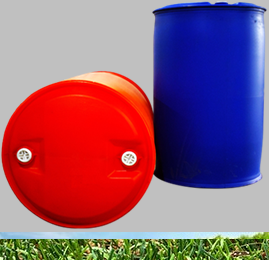
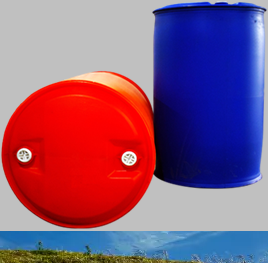
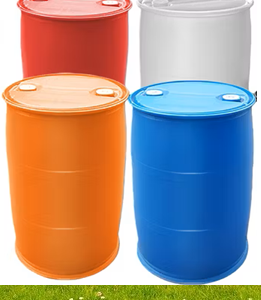
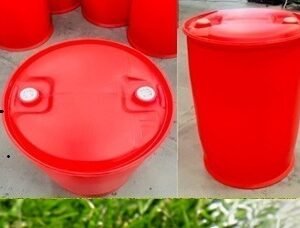
- Packaging: Chemicals in this range are often corrosive. Ensure your supplier provides high-density polyethylene (HDPE) drums or IBC (Intermediate Bulk Containers) that are UN-rated.
- Logistics: International shipping of chemicals involves complex regulations (IMDG/IATA). A professional supplier like ChemicalsSuppliers.com manages these compliance hurdles on your behalf.
How to Buy via ChemicalsSuppliers.com
Buying industrial chemicals should be a streamlined process. ChemicalsSuppliers.com offers a bridge between high-quality manufacturers and end-users who need reliable supply chains.
Steps to Procure Your Chemicals:
- Visit the Platform: Go to our official website.
- Search by Specification: Use the search bar to enter the CAS number or the specific chemical name and concentration (e.g., “Hydrogen Peroxide 35%”).
- Request a Quote: Since bulk prices fluctuate, we offer a dynamic quoting system that accounts for your specific location, shipping requirements, and order volume.
- Verify Compliance: Receive the COA and SDS documentation electronically before your shipment departs.
Industry Insights: Future Trends in Chemical Concentration
The global shift toward “Green Chemistry” is changing how we handle chemical concentrations. Companies are increasingly looking for ways to reduce the amount of solvent needed during shipping to lower their carbon footprint.
However, the 23%–46% niche remains highly relevant because it minimizes the need for on-site dilution. Diluting concentrated chemicals on-site requires specialized mixing equipment, safety shielding, and ventilation—costs that many small-to-medium enterprises prefer to avoid by buying pre-formulated concentrations.
Why External Links Matter
To deep-dive into the regulatory side of these chemicals, we recommend visiting the PubChem database for chemical safety profiles and the OSHA website for handling instructions regarding corrosive concentrations.
Frequently Asked Questions (FAQ)
Q: Can I use 32% purity chemicals for domestic cleaning? A: Generally, no. Chemicals at this concentration are for industrial and professional use. They carry significant risks of chemical burns and respiratory irritation. Always follow industrial safety protocols.
Q: How long do these chemicals stay stable? A: Stability depends on the substance. Hydrogen peroxide, for example, degrades over time. Proper storage (away from light, at cool temperatures) is essential for maintaining the 35% potency.
Q: Does ChemicalsSuppliers.com provide bulk shipping? A: Yes. We handle everything from palletized deliveries to full tanker truck loads. Contact our team here to discuss your logistics needs.
Conclusion: Partnering for Reliable Supply
Selecting the right concentration is critical to the efficiency of your operation. Whether you need 23% or 46% purity, you deserve a supply chain partner that prioritizes quality, safety, and transparent pricing.
At ChemicalsSuppliers.com, we simplify the complexity of the global chemical market, ensuring that your raw materials arrive on time and within specification. Don’t let supply chain inconsistencies disrupt your production line. Visit us today to request a quote and experience a new standard in chemical procurement.
Optimize Your Search and Sourcing:
KeywordsTags:
#ChemicalSupply #IndustrialChemicals #ChemicalPurity #HydrogenPeroxide35 #CausticSoda #ChemicalManufacturing #Procurement #SupplyChainManagement #ChemicalsSuppliers #RawMaterials #IndustrialSafety #ChemicalGrade #ConcentrationLevels #ChemicalDistribution #GlobalChemicalMarket #IndustrialCleaningSupplies #ManufacturingChemicals #ChemicalSolvents #ChemicalProcurement #HighPurityChemicals #ChemicalIndustry2024 #BusinessToBusiness #B2BChemicals #ChemicalLogistics #SafetyDataSheet #CertificateOfAnalysis