13% – 33% Purity Concentration Chemicals: Applications, Pricing, and Sourcing
In industrial, laboratory, and manufacturing chemistry, precision is everything. While high-purity (99.9%+) reagents often grab the headlines in scientific journals, the 13% to 33% purity concentration range is the true backbone of global industry. These intermediate-strength chemical solutions are essential for everything from water treatment and textile processing to agricultural productivity and specialized manufacturing cleaning protocols.
At ChemicalsSuppliers.com, we recognize that sourcing chemicals within this specific concentration range requires a balance of quality, safety, and logistical expertise. This comprehensive guide will explore why these specific tiers of concentration are vital, how they are priced, and why they remain the standard for cost-effective industrial operations.
The Strategic Importance of 13% – 33% Purity Chemicals
Why settle for 13% to 33% instead of pure, concentrated substances? The answer lies in the Law of Diminishing Returns.
For many industrial applications, concentrated chemicals (such as 98% sulfuric acid or 70% nitric acid) are not only dangerous to handle but are also highly volatile and reactive. Diluting these substances to the 13%–33% range serves three primary purposes:
- Safety and Risk Mitigation: Lower concentrations reduce the risk of severe chemical burns, runaway reactions, and toxic vapor inhalation for facility workers.
- Cost Efficiency: High-purity chemicals command a premium. By acquiring solutions already diluted to the standard 13%–33% range, factories save on the labor and equipment costs associated with in-house dilution.
- Process Optimization: Many chemical reactions in manufacturing (like etching, plating, or pH balancing) operate most effectively at controlled, moderate concentrations. Using a chemical at 20% concentration provides a predictable, steady reaction rate that prevents damage to delicate surfaces.
Key Examples of 13% – 33% Concentration Chemicals
To understand the market for these substances, we must look at the specific chemicals that dominate this concentration spectrum.
1. Sodium Hypochlorite (Bleach Solutions)
Commonly found in the 12.5% to 15% range for industrial water disinfection and surface sanitization. This is a staple in the Water Treatment Industry.
- Application: Municipal water treatment, swimming pool sanitation, and industrial bleaching in paper manufacturing.
2. Hydrochloric Acid (Muriatic Acid)
While technical grade can vary, 31% to 33% Hydrochloric Acid is the industry standard for masonry cleaning, pickling of steel, and ore processing.
- Application: Removing rust from metals and balancing pH levels in industrial wastewater.
3. Hydrogen Peroxide (Intermediate Grades)
Typically sold at 30% to 35% concentrations for industrial oxidation and bleaching processes in textiles.
- Application: Paper pulp bleaching and environmental remediation (oxidizing hazardous soil contaminants).
4. Ammonium Hydroxide
Often supplied at 28% to 30% concentration.
- Application: Used extensively in the manufacture of fertilizers, refrigerants, and as a cleaning agent in the electronics industry.
Market Dynamics and Pricing Structures
Pricing for 13%–33% chemicals is rarely stagnant. It is influenced by the Commodity Feedstock Price Index, shipping regulations, and regional availability.
Factors Influencing Price
- Raw Material Costs: Since these chemicals are often derived from petroleum or mineral processing, fluctuations in global oil and gas prices have a direct impact.
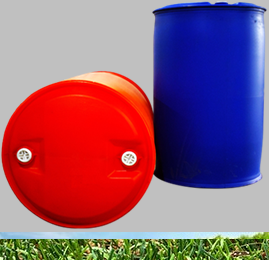
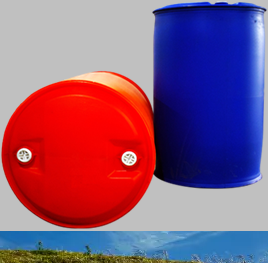
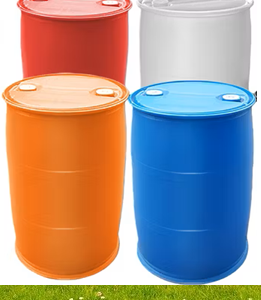
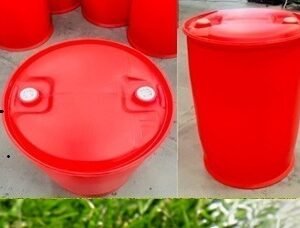
- Packaging and Logistics (HazMat): Shipping chemicals is expensive. The cost of specialized high-density polyethylene (HDPE) or stainless steel intermediate bulk containers (IBCs) added to the shipping cost often determines the final price per liter or gallon.
- Purity Consistency: While 13%–33% is the “target” range, the consistency of the secondary elements (the “impurities”) is critical. Higher-grade industrial chemicals undergo more rigorous filtration and quality control, which adds to the price point.
Estimated Pricing Guide (Market Rates 2024)
Note: Prices vary significantly based on order volume and shipping distance.
| Chemical |
Typical Concentration |
Estimated Price (per Gallon) |
| Sodium Hypochlorite |
13% |
$4.50 – $8.00 |
| Hydrochloric Acid |
31% – 33% |
$7.00 – $12.00 |
| Hydrogen Peroxide |
30% – 33% |
$15.00 – $22.00 |
| Ammonium Hydroxide |
28% – 30% |
$9.00 – $15.00 |
To get real-time, bulk-discounted quotes, you can visit ChemicalsSuppliers.com to connect with verified manufacturers directly.
Why Source from ChemicalsSuppliers.com?
Navigating the supply chain for chemical products can be treacherous. You need a partner that ensures CAS registration compliance, provides Safety Data Sheets (SDS), and guarantees on-time logistics.
At ChemicalsSuppliers.com, we facilitate:
- Global Connectivity: We bridge the gap between large-scale chemical plants and the end-users who need these specific concentrations.
- Quality Assurance: We only list suppliers who adhere to ISO standards for chemical manufacturing.
- Detailed Documentation: Every delivery comes with a Certificate of Analysis (CoA), ensuring that the 13%–33% concentration you order is exactly what you receive.
Safety and Handling for 13% – 33% Concentrations
Never underestimate a chemical simply because it is not 99% pure. A 33% Hydrochloric acid solution can still cause immediate, permanent tissue damage.
Essential Best Practices:
- Personal Protective Equipment (PPE): Always utilize chemical-resistant gloves (nitrile or neoprene), safety goggles, and face shields.
- Ventilation: Chemicals in this range often off-gas. Always work in a well-ventilated area or use a fume hood.
- Containment: Always store these chemicals in a secondary containment tray to prevent spills from damaging floors or reacting with other stored substances in the event of container failure.
- Emergency Infrastructure: Ensure an eyewash station and emergency shower are within reach of the chemical storage area.
For detailed handling guides, refer to the OSHA Guidelines for Chemical Safety.
The Future of Chemical Concentration Markets
The industry is shifting toward “Green Chemistry.” We are seeing a higher demand for 13%–33% concentration solutions that are produced with lower carbon footprints and fewer toxic byproducts.
As global shipping regulations become stricter regarding the transport of hazardous materials, more companies are looking for regional sourcing options. ChemicalsSuppliers.com is at the forefront of this shift, helping businesses find local suppliers to minimize transport risks and environmental impact.
Detailed Breakdown of Chemical Applications
1. Water Treatment Initiatives
Municipalities and private water corporations utilize 13%–15% sodium hypochlorite for chlorination. By using this specific range, they can effectively kill bacteria and microorganisms without requiring massive, on-site, high-pressure storage systems.
2. The Metal Finishing Industry
Metal pickling—the process of removing surface impurities from steel—requires 31%–33% Hydrochloric acid. This concentration is the “sweet spot” for dissolving iron oxide (rust) without excessively attacking the base metal underneath.
3. Food Processing
Hydrogen peroxide (30%–33%) is a critical sterilizing agent in aseptic packaging (like the cartons used for milk or juice). The ability to effectively kill spores at this concentration makes it the standard for the food safety industry.
Frequently Asked Questions (FAQ)
Q: Can I dilute a 99% chemical to get a 33% solution? A: You can, but it is highly discouraged unless you have professional laboratory equipment. Exothermic reactions during dilution can cause containers to explode or release toxic gas. It is safer to buy pre-diluted, certified solutions from ChemicalsSuppliers.com.
Q: What does the percentage refer to? A: These percentages typically refer to the “by mass” (w/w) concentration. For example, a 30% hydrogen peroxide solution contains 30 parts peroxide and 70 parts water by weight.
Q: Is it cheaper to buy in bulk? A: Absolutely. Most suppliers on our platform offer significant discounts for IBC (Intermediate Bulk Container) orders compared to individual 5-gallon carboys.
How to Get Started with ChemicalsSuppliers.com
Whether you are in the automotive industry, textile manufacturing, or water treatment, obtaining high-quality chemicals within the 13%–33% purity range is essential for your operational success.
- Visit our portal: Go to https://www.chemicalssuppliers.com/.
- Search by CAS or Name: Use our intuitive search bar to find the specific chemical concentration you require.
- Request a Quote: Connect directly with suppliers to discuss shipping logistics and bulk pricing.
- Confirm Compliance: Access all necessary SDS and technical documents directly through our site.
Conclusion
The 13% to 33% purity range is not just a secondary category of chemicals; it is the engine of modern industry. By prioritizing these concentrations, businesses find the perfect balance between reactive power, safety, and fiscal responsibility.
As you plan your inventory or production requirements for the upcoming year, look towards reliable, transparent sourcing. At ChemicalsSuppliers.com, we are dedicated to ensuring your supply chain remains robust, compliant, and cost-effective. Don’t compromise on the quality of your raw materials—partner with those who understand the precise needs of industrial chemistry.
Visit ChemicalsSuppliers.com today to review our catalog and find the chemical solutions that empower your business to perform at its best.
External Resources for Further Learning
Tags: #ChemicalSuppliers #13PercentConcentration #33PercentPurity #IndustrialChemicals #ChemicalSupplyChain #SodiumHypochlorite #HydrochloricAcid #HydrogenPeroxide #ChemicalSafety #ChemicalPriceList #IndustrialManufacturing #WaterTreatmentChemicals #ChemicalProcurement #RawMaterials #ChemicalsSuppliersDotCom #BulkChemicals #ChemicalHandling #LaboratorySupplies #ProcessChemistry #ChemicalDistribution #GlobalChemicalMarket #IndustrialGradeChemicals #ChemicalReagents #SafetyDataSheets #HazMatLogistics #ChemicalIndustryTrends #EcoFriendlyChemistry #ChemicalSourcing #ManufacturingOptimization #ChemicalEngineering