Sulfuric Acid Certification: Industrial Quality, Safety, and Procurement.(Price)
In global industrial chemistry, few substances are as fundamental as sulfuric acid ($H_2SO_4$). Often referred to as the “king of chemicals,” it serves as a primary indicator of a nation’s industrial strength. Whether you are in the mining, fertilizer production, battery manufacturing, or water treatment sector, ensuring you are sourcing high-quality, certified sulfuric acid is not just a regulatory requirement—it is a cornerstone of operational safety and product integrity.
At Chemicals Suppliers, we recognize that navigating the complexities of sulfuric acid certification, safety grades, and logistical procurement can be daunting. This comprehensive guide is designed to be your primary resource for understanding global standards, certification protocols, and how to source high-grade industrial chemicals efficiently.
Table of Contents
- Understanding Sulfuric Acid and Its Industrial Significance
- Decoding Sulfuric Acid Certification Standards
- Safety Protocols and Regulatory Compliance
- Grading Sulfuric Acid: From Technical to Electronic Grade
- Current Market Pricing: What You Need to Know
- Sourcing and Procurement: Why Chemicals Suppliers is Your Partner
- Storage, Handling, and Logistics
- Conclusion: Elevating Your Chemical Sourcing Standards
1. Understanding Sulfuric Acid and Its Industrial Significance
Sulfuric acid is a colorless, oily, and highly corrosive liquid. Its versatility stems from its three primary properties: acidity, dehydrating ability, and oxidizing strength.
- Fertilizer Industry: Over 50% of the world’s sulfuric acid production is consumed by the fertilizer industry, specifically for manufacturing phosphoric acid used in phosphate fertilizers.
- Metal Processing: It is indispensable for “pickling,” a process used to clean rust and scale off steel and iron prior to further processing.
- Chemical Manufacturing: It acts as a catalyst or reactant in the synthesis of dyes, pharmaceuticals, and synthetic resins.
- Energy Storage: The lead-acid storage battery, standard in millions of automobiles worldwide, relies on a sulfuric acid electrolyte.
Because it is used in such sensitive applications, certification becomes the barrier between a successful batch of product and a catastrophic industrial failure.
2. Decoding Sulfuric Acid Certification Standards
When you purchase sulfuric acid, you aren’t just buying a liquid; you are buying a specification sheet. Certification ensures that the product meets the stringent purity levels required for specific industrial outputs.
Key Certification Bodies and Standards:
- ISO 9001:2015: Ensures that the supplier has a robust Quality Management System (QMS).
- ASTM International: Standards such as ASTM D1193 for reagent grade water and acid purity are critical checks.
- NSF/ANSI Standard 60: If your application involves drinking water treatment, your sulfuric acid must be certified to NSF/ANSI 60 to ensure it does not contribute harmful contaminants.
- REACH Compliance: For European markets, REACH (Registration, Evaluation, Authorisation and Restriction of Chemicals) compliance is mandatory for any chemical imported or manufactured within the EU.
Why Certification Matters: Uncertified sulfuric acid often contains trace heavy metals (like arsenic, lead, or mercury) or organic impurities. These can poison catalysts in petroleum refining or cause corrosion issues in electronic manufacturing.
3. Safety Protocols and Regulatory Compliance
Working with concentrated sulfuric acid is inherently dangerous. It is a severe dehydrating agent—contact with skin results in rapid, deep thermal burns.
Essential Safety Requirements for Procurement:
- Material Safety Data Sheet (MSDS/SDS): Every delivery must be accompanied by an up-to-date SDS compliant with the Globally Harmonized System (GHS).
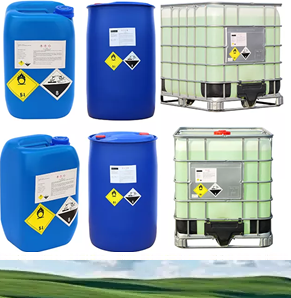
- Container Certification: All vessels must comply with UN/DOT packaging standards. This prevents leaks during transport, which could otherwise result in environmental disasters or worker injury.
- Containment and PPE: Suppliers and buyers must ensure the presence of secondary containment, emergency showers, and dedicated neutralization agents (like sodium bicarbonate or lime).
For more information on handling and safety protocols, visit our Safety Resources Center at Chemicals Suppliers.
4. Grading Sulfuric Acid: From Technical to Electronic Grade
Sourcing the right concentration and purity grade is the most common point of error in procurement.
- Technical Grade: Typically 70%–98% concentration. Used in large-scale industrial manufacturing where minor impurities are acceptable.
- Battery Grade: High purity, specifically formulated to prevent degradation of lead-acid battery plates.
- Reagent (ACS) Grade: Meets the specifications set by the American Chemical Society. Crucial for analytical laboratories and precise chemical research.
- Electronic/Semiconductor Grade: The highest level of purity. It is filtered to remove trace metals down to parts-per-trillion (ppt) levels, essential for chip fabrication and microelectronics.
5. Current Market Pricing: What You Need to Know
Pricing for sulfuric acid is volatile and depends on several factors: regional demand, raw material costs (sulfur extraction from desulfurization processes), and freight logistics.
Note: The following prices are estimates based on market averages and fluctuate based on volume and geographical location.
| Grade |
Purity Level |
Estimated Price Range (per MT) |
| Technical Grade (98%) |
Industrial |
$150 – $350 |
| Battery Grade |
High Purity |
$400 – $650 |
| Reagent Grade (ACS) |
Analytical |
$1,200 – $2,500 |
| Electronic Grade |
Ultra-pure |
$3,500 – $8,000 |
To get an accurate, real-time quote for your specific location and volume, please visit Chemicals Suppliers.
6. Sourcing and Procurement: Why Chemicals Suppliers?
At Chemicals Suppliers, we bridge the gap between global manufacturers and end-users. We simplify the procurement chain by offering:
- Verified Quality: Every shipment is accompanied by a Certificate of Analysis (COA) confirming it meets or exceeds international standards.
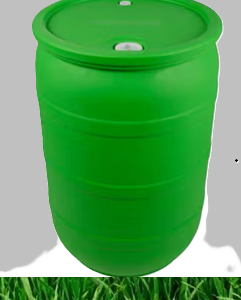
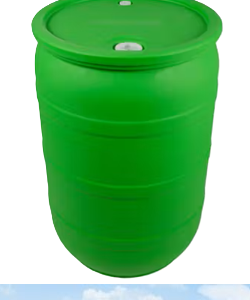
- Global Logistics: Whether you require ISO tanks, intermediate bulk containers (IBCs), or drummed shipments, our network ensures that the product arrives safely and on time.
- Compliance Assurance: We handle the regulatory paperwork, ensuring that your import or purchase complies with local environmental and safety laws.
How to Buy:
- Navigate to our website at https://www.chemicalssuppliers.com/.
- Search for “Sulfuric Acid” in our catalog.
- Use the “Request a Quote” form to specify your grade and volume.
- Our expert team will provide a competitive price breakdown and delivery timeline.
7. Storage, Handling, and Logistics
Sulfuric acid’s corrosive nature mandates specific storage conditions.
- Materials Compatibility: Carbon steel is commonly used for concentrated acid (above 90%), but it can become brittle and prone to corrosion if the acid is diluted. Stainless steel or materials lined with PTFE (Teflon) or HDPE are required for high-purity or lower-concentration acids.
- Ventilation: Storage areas must be well-ventilated to prevent the buildup of acidic fumes.
- Temperature Control: Sulfuric acid is highly reactive to water, and dilution is an exothermic process. Storage must be protected from moisture and extreme temperature fluctuations.
8. Conclusion: Elevating Your Chemical Sourcing Standards
Quality control in chemical procurement is not an expense—it is an investment in your company’s longevity. By choosing a partner who prioritizes certification and rigorous logistics, you avoid the hidden costs of contaminated raw materials, equipment failure, and regulatory non-compliance.
Whether you are looking for bulk industrial supply for a fertilizer plant or specialized reagent-grade acid for a laboratory, Chemicals Suppliers offers the global reach and technical expertise to support your operations.
Get started today:
External Resources for Further Learning
Tags
#SulfuricAcid #ChemicalProcurement #IndustrialChemistry #CertifiedChemicals #ChemicalSuppliers #H2SO4Supply #BatteryGradeAcid #ReagentGradeChemicals #ChemicalSafety #QualityManagement #SupplyChain #ManufacturingSolutions #SulfuricAcidPrice #IndustrialGradeAcid #ChemicalLogistics #ChemicalGradeCertification #GlobalChemicalMarket #ChemicalManufacturing #SDSCompliance #HazardousMaterialsHandling