Sodium Cyanide (NaCN) Certification, Safety, and Global Sourcing.(Price)
In the world of industrial chemistry, few substances are as critical—or as strictly regulated—as Sodium Cyanide (NaCN). Known for its indispensable role in precious metal extraction and chemical synthesis, NaCN is a powerhouse of productivity. However, with its utility comes the heavy burden of regulatory compliance, safety protocols, and rigorous certification standards.
If you are involved in mining, electroplating, or chemical manufacturing, understanding the lifecycle of Sodium Cyanide, from its production to its ethical procurement, is non-negotiable. This comprehensive guide serves as your authoritative resource for navigating the global standards for NaCN, its market pricing, and how to verify legitimate supply chains through industry leaders like Chemicals Suppliers.
1. What is Sodium Cyanide (NaCN)?
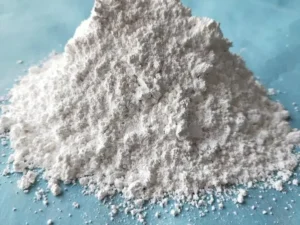
Sodium Cyanide, represented by the chemical formula NaCN, is a white, crystalline salt. It is highly soluble in water and possesses a faint bitter almond odor (though this should never be relied upon for detection due to its extreme toxicity).
Key Industrial Applications:
- Gold and Silver Mining: Through the process of cyanidation, NaCN is used to leach precious metals from ore. It remains the gold standard for high-recovery yields.
- Electroplating: Used extensively in the deposition of metals such as silver, gold, and zinc onto substrates.
- Chemical Synthesis: Serving as a precursor for the production of nitriles, plastics, and pharmaceutical intermediates.
2. The Absolute Importance of NaCN Certification
Because Sodium Cyanide is a hazardous material, global regulatory bodies classify it as a Scheduled Poison. Unauthorized handling can result in catastrophic environmental damage and loss of life. Consequently, certifications are not just “nice to have”—they are legal requirements for any entity involved in the supply chain.
The International Cyanide Management Code (ICMC)
The gold standard for the industry is the International Cyanide Management Code. A supplier or mining operation that is “ICMC Certified” has undergone a rigorous, independent audit process covering:
- Production: Ensuring the manufacturing process minimizes exposure.
- Transportation: Utilizing secure, tamper-proof packaging and tracked logistics.
- Handling and Storage: Implementing spill-containment and emergency response protocols.
- Workplace Health: Advanced PPE and atmospheric monitoring systems.
When you purchase from https://www.chemicalssuppliers.com/, you are engaging with a network that prioritizes these certifications, ensuring that the NaCN you receive meets international safety and purity standards.
3. Market Analysis and Pricing of Sodium Cyanide
Pricing for NaCN is volatile, dictated by the price of gold, global energy costs, and strict maritime shipping regulations.
Price Factors:
- Purity Levels: Standard industrial grade is 98% purity. High-purity crystals ($>99%$) command a premium.
- Packaging: Solid briquettes (standard for mining) vs. liquid/solution form.
- Shipping Regulations: Because of its classification as a dangerous good (UN Number 1689), shipping costs often exceed the base material price.
Estimated Pricing Guide (2024–2025 Benchmarks)
- Note: Prices below are estimates and subject to market fluctuations.
| Product Grade |
Form |
Estimated Price (USD/Ton) |
| Industrial Grade (98%) |
Briquettes |
$2,200 – $3,500 |
| High Purity (99.5%) |
Powder/Briquettes |
$3,600 – $4,800 |
| Aqueous Solution |
30% NaCN |
$1,500 – $2,200 |
To get a real-time quote tailored to your region and volume, visit Chemicals Suppliers.
4. Examples of NaCN and Related Cyanide Chemicals
While Sodium Cyanide is the primary focus, professional chemical suppliers often carry a range of related reagents for specific industrial needs:
- Potassium Cyanide (KCN): Often used in more specialized electroplating processes.
- Calcium Cyanide (Ca(CN)2): Historically used in mining; less common today due to handling difficulties.
- Sodium Ferrocyanide: A common food-grade salt (non-toxic) often confused with NaCN—it is crucial to understand the chemical distinction.
- Hydrogen Cyanide (HCN): The precursor gas from which solid NaCN is synthesized.
5. Where to Buy Sodium Cyanide Safely
The procurement of cyanide compounds is strictly monitored by organizations like the Organisation for the Prohibition of Chemical Weapons (OPCW) and local departments of homeland security.
Never attempt to purchase NaCN from unregulated grey-market dealers. This risks not only legal repercussions but also the acquisition of impure, unstable, or improperly packaged chemicals.
When you shop at Chemicals Suppliers, you are accessing:
- Verified Compliance: All products meet international safety data sheet (SDS/MSDS) requirements.
- Global Logistics: Expertise in shipping Class 6 toxic substances globally.
- Traceability: Full documentation from factory gate to final destination.
Procurement Process:
- Inquiry: Visit Chemicals Suppliers and provide your business credentials.
- Verification: Our team verifies your end-user license and hazardous chemical handling permits.
- Quote: Receive an itemized quote including freight, insurance, and compliance fees.
- Delivery: Secure, monitored transport directly to your site.
6. Regulatory Compliance and Best Practices for NaCN
Handling Sodium Cyanide requires a culture of safety. Even if you hold the correct certification, standard operating procedures (SOPs) are vital.
Emergency Response Essentials
- Antidotes: Every facility handling NaCN must be stocked with Cyanide Antidote Kits (e.g., Hydroxocobalamin).
- Ventilation: Use specifically designed exhaust systems for handling solid briquettes to prevent dust inhalation.
- Storage: Keep away from acids. Even contact with weak acids releases Hydrogen Cyanide gas, which is lethal.
7. Expert Insight: The Future of Mining and NaCN
As the mining industry moves toward “Green Mining,” there is significant investment into cyanide recovery systems. Rather than disposing of process water, modern sites are using intensive oxidation or natural degradation processes to neutralize cyanide in tailings, lowering the overall environmental footprint of the operation.
By sourcing from Chemicals Suppliers, you gain access not just to the chemical, but to the industry best practices on how to optimize its use while minimizing waste.
8. Frequently Asked Questions (FAQ)
Q: Is Sodium Cyanide illegal for individuals to own? A: Yes. In almost all jurisdictions, possession by an individual without a commercial license or industrial permit is a severe criminal offense.
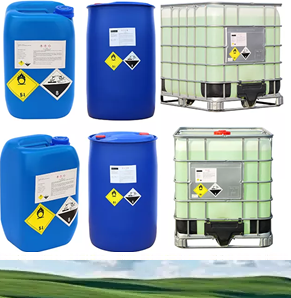
Q: How is NaCN shipped? A: It is shipped in sealed, moisture-proof drums, typically secured within secondary containment vessels, adhering to IMDG (International Maritime Dangerous Goods) standards.
Q: Can Chemicals Suppliers assist with permits? A: While we cannot obtain permits for you, we can provide the necessary technical documentation, purity certifications, and origin certificates required for your local regulatory application.
Conclusion
Sodium Cyanide is a specialized industrial tool that demands respect, professional handling, and, above all, a reliable supply chain. By choosing an experienced partner like Chemicals Suppliers, you ensure that your operations are supported by high-quality reagents and industry-leading safety standards.
Don’t compromise on purity or safety. Visit https://www.chemicalssuppliers.com/ today to review our inventory, verify our certificates, and request a quote for your project. Together, we can maintain the delicate balance between high industrial performance and global safety standards.
Related Resources
Tags
#SodiumCyanide #NaCN #ChemicalSuppliers #MiningChemicals #IndustrialSafety #CyanideCertification #GoldLeaching #ChemicalProcurement #HighPurityChemicals #DangerousGoodsLogistics #ChemicalIndustry2025 #ElectroplatingSolutions #ICMCCertified #ChemicalSafety #NaCNPrice #IndustrialReagents #CyanideHandling #ChemicalSupplyChain #MiningSupply #HazardousMaterialsHandling