SGS Certification: Everything Chemicals Buyers Need to Know
In the fast-paced world of global trade, trust is the most valuable currency. Whether you are sourcing industrial solvents, fine chemicals, or bulk raw materials, the greatest risk to your supply chain is receiving sub-standard, adulterated, or non-compliant products. This is where the SGS Certificate enters the picture.
If you are navigating the complex landscape of international chemical procurement, understanding the role of SGS—the world’s leading inspection, verification, testing, and certification company—is not just an advantage; it is a necessity.
In this comprehensive guide, we will break down what an SGS certificate is, why it is the gold standard for chemical quality assurance, and how you can ensure your sourcing process remains foolproof by partnering with ChemicalsSuppliers.com.
What is an SGS Certificate?
An SGS Inspection Certificate, often referred to as a Certificate of Analysis (COA) or a Certificate of Conformity (COC), is an official document issued by SGS (Société Générale de Surveillance). It serves as proof that a shipment of goods has been inspected, tested, and verified to meet specific international standards or the buyer’s contractual requirements.
When it comes to chemicals, which can be volatile, hazardous, or highly sensitive to purity levels, an SGS certificate acts as a “passport” that clears the way for safe customs clearance and buyer peace of mind.
Why is SGS Certification Vital for Chemicals?
Chemical products are categorized by precise molecular structures and purity percentages. Even a 0.5% deviation in concentration can render a batch useless for pharmaceutical manufacturing or high-end industrial processing.
- Quality Verification: SGS laboratories test chemical properties like pH levels, density, impurity profiles, and concentration.
- Risk Mitigation: Fraudulent shipments are a reality in the global market. SGS acts as an objective third party to ensure the product in the container matches the product on the invoice.
- Regulatory Compliance: Many countries require strict documentation for the import of hazardous or controlled chemicals. An SGS report helps bypass bureaucratic bottlenecks at customs.
- Trade Efficiency: Banks often require an SGS certificate to release payments under Letters of Credit (LC), making it a cornerstone of international financial transactions.
Understanding the Process: How SGS Testing Works
The certification process is rigorous. When you decide to buy chemicals from a supplier like ChemicalsSuppliers.com, the inspection typically follows these phases:
- Sampling: SGS inspectors arrive at the warehouse or production site and draw random samples from the batch. This ensures a representative snapshot of the entire cargo.
- Laboratory Analysis: The samples are taken to an accredited SGS laboratory where they are tested against the buyer’s specifications (e.g., ASTM, ISO, or EN standards).
- Verification of Documents: Inspectors check the Bill of Lading, Packing List, and the supplier’s internal test reports.
- Issuance of the Certificate: Once the product passes, the Certificate of Conformity is issued to the buyer, authorizing the shipment.
How Much Does an SGS Certificate Cost?
One of the most frequently asked questions is: “Who pays for the SGS inspection and how much does it cost?”
The cost of an SGS inspection is not fixed; it is a variable that depends on several factors:
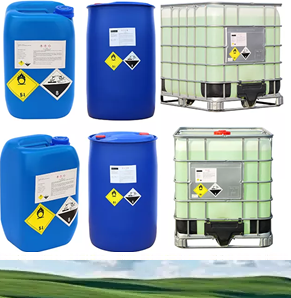
- Type of Chemical: Hazardous chemicals (classified as IMO/IMDG cargo) require specialized handling and safety protocols, which increase the testing fee.
- Quantity/Volume: Inspecting a small 50kg drum is significantly cheaper than a full-vessel charter of thousands of metric tons.
- Scope of Testing: Do you need a simple visual inspection and weight check, or a full metallurgical/chemical composition analysis? Full-lab testing is more expensive.
- Location: The distance the inspector must travel from the nearest SGS regional office to the factory site influences the “travel and disbursement” fee.
Typical Price Ranges:
- Basic Pre-shipment Inspection (PSI): Generally ranges from $300 to $800 USD per visit for standard commodity-sized shipments.
- Advanced Laboratory Testing: Depending on the complexity of the chemical analysis, these costs can range from $500 to $2,500+ USD per test suite.
Pro Tip: At ChemicalsSuppliers.com, we often assist our clients in coordinating these inspections with local authorities, ensuring the most competitive rates by leveraging our high-volume shipping frequency.
Where to Buy Certified Chemicals?
Sourcing chemicals, especially for large-scale operations, requires more than just a certificate. It requires a reliable supply chain, transparent logistics, and a commitment to quality that goes beyond the testing phase.
ChemicalsSuppliers.com is your premier partner for bulk chemical acquisition. We understand the necessity of third-party verification, which is why we offer:
- Pre-Vetted Suppliers: We work exclusively with manufacturers who adhere to global safety and quality protocols.
- SGS Coordination: We handle the logistics of getting SGS inspectors on-site before your cargo leaves the port.
- Global Logistics Support: From documentation to freight forwarding, we ensure your products arrive on time and in spec.
- Transparent Pricing: No hidden fees. We provide clear, itemized quotes for chemicals and the necessary third-party testing services.
Click here to browse our chemical inventory and request a quote today!
Best Practices for Chemical Buyers
To ensure your procurement process goes smoothly, follow these industry-standard recommendations:
- Specify Standards Early: Always define which standard (e.g., USP, BP, ACS) your chemicals must meet before the SGS inspection begins.
- Use Letters of Credit: If you are a first-time buyer, use a Letter of Credit (LC) that makes payment conditional upon the presentation of a clean “On Board” Bill of Lading and a clean SGS Inspection Certificate.
- Verify the Certificate: Unfortunately, fake certificates exist. Always verify the certificate number directly on the SGS Official Verification Page.
- Don’t Shortchange Inspection: Trying to save $500 on an inspection can lead to a $50,000 loss if the product arrives and is found to be useless. Always opt for professional verification.
In a crowded online market, why choose us?
- Expert Knowledge: We are not just a marketplace; we are chemical experts who understand the nuances of chemical grades and safety regulations.
- Worldwide Network: Whether you are in Europe, Asia, or the Americas, we have the connections to deliver your cargo to your doorstep safely.
- Commitment to Quality: We believe that quality starts at the source. By partnering with us, you are guaranteed that every product has been scrutinized, tested, and verified fit for purpose.
- User-Friendly Procurement: Our platform is designed to make ordering chemicals as easy as any other e-commerce transaction, without sacrificing the professional rigor required by the industry.
Final Thoughts: The Value of Peace of Mind
An SGS Certificate is more than just a sheet of paper. It is an insurance policy for your capital and your reputation. When you buy through ChemicalsSuppliers.com, you aren’t just buying chemicals—you are buying the confidence that everything went according to plan.
Do not leave your supply chain to chance. Whether you need industrial catalysts, solvents, or specialized raw materials, visit us at ChemicalsSuppliers.com to find the right products, backed by the right certifications.
Start your journey toward secure, certified chemical sourcing today.
Frequently Asked Questions (FAQ)
1. Is SGS the only company that provides chemical certification? No, but SGS is the industry leader. Other reputable companies include Intertek and Bureau Veritas (BV).
2. Can I request an SGS inspection for a small order? Yes, but the cost may be disproportionately high compared to the order value. It is usually recommended for bulk orders or high-value specialty chemicals.
3. What happens if the SGS inspection fails? The certificate will be withheld. You should not process payment for the goods. The supplier must then remediate the batch or provide a new batch that passes inspection.
4. How long does the SGS testing process take? Depending on the complexity of the test, it can take anywhere from 3 to 10 working days after sample collection.
Tags: #Chemicals #SGS #QualityControl #Imports #Exports #ChemicalSuppliers #IndustrialChemicals #SupplyChainManagement #QualityAssurance #ChemicalTesting #Procurement #InternationalTrade #Certificates #ChemicalIndustry #RawMaterials #ChemicalsSuppliers #SGSInspection #Logistics #HazardousMaterials