The Professional Engineer (PE) License: A Guide for Chemical Professionals
The highly technical and safety-critical world of chemical engineering, the Professional Engineer (PE) license acts as the gold standard of professional competence. For those working in industrial processing, laboratory research, or supply chain management—especially those sourcing critical chemical compounds through ChemicalsSuppliers.com—a PE license is more than just a credential; it is a gateway to high-level consultancy, legal expert testimony, and the authority to sign off on industrial designs.
This article provides an exhaustive deep dive into obtaining your PE license, the role of safety and quality in chemical engineering, and how professionals in this field utilize high-grade chemical precursors for their projects.
Part 1: Decoding the Professional Engineer (PE) License
What is a PE License?
The Professional Engineer (PE) designation is a state-regulated license that allows an engineer to take legal responsibility for engineering work. In the United States, the National Council of Examiners for Engineering and Surveying (NCEES) governs the exams, but licensing is handled by individual state boards.
A PE license signifies that an engineer has:
- Completed an ABET-accredited engineering degree.
- Passed the Fundamentals of Engineering (FE) exam.
- Accumulated four or more years of progressive work experience under a licensed PE.
- Passed the Principles and Practice of Engineering (PE) exam.
Why Chemical Engineers Need the PE
While many chemical engineers work in manufacturing environments where the “Industrial Exemption” applies, obtaining a PE license is vital for:
- Consulting: Being able to own your own firm and stamp designs.
- Expert Witnessing: Providing technical testimony in legal disputes regarding chemical leaks, process safety, or environmental issues.
- Government Contracting: Many public works and environmental remediation projects require a PE signature.
- Enhanced Credibility: It demonstrates a lifelong commitment to the ethical standards and public safety requirements of the profession.
Part 2: The Roadmap to Licensure
The FE Exam: The First Hurdle
The Fundamentals of Engineering (FE) exam is a computer-based test that covers the breadth of engineering knowledge. You should take this as close to graduation as possible.
The PE Exam: The Final Challenge
The Chemical PE exam focuses on:
- Mass and Energy Balances
- Thermodynamics
- Heat Transfer and Fluid Mechanics
- Chemical Reaction Engineering
- Process Control and Safety
Maintaining Your License
Once achieved, you must maintain your license through Continuing Professional Development (CPD) or Professional Development Hours (PDH), which often involve staying updated on industry regulations, hazardous material handling, and safety protocols—areas where platforms like ChemicalsSuppliers.com provide essential data sheets and technical specifications.
Part 3: The Role of Chemical Quality in Engineering Projects
As a PE, you are often responsible for the integrity of the materials used in a chemical process. Whether you are designing a pilot plant or a full-scale refinery, the purity of your reagents matters. Using sub-par chemicals can lead to equipment corrosion, failed reactions, and catastrophic safety failures.
Essential Chemicals for Industrial Applications
Engineers often need to source high-purity chemicals for testing, calibration, and reaction development. At ChemicalsSuppliers.com, we bridge the gap between industrial necessity and reliable supply.
1. Industrial Solvents
Solvents like Acetone, Methanol, and Toluene are staples in chemical engineering. They are used in extraction, cleaning, and as reaction media.
- Application: Designing solvent recovery systems to meet EPA standards.
2. High-Purity Acids and Bases
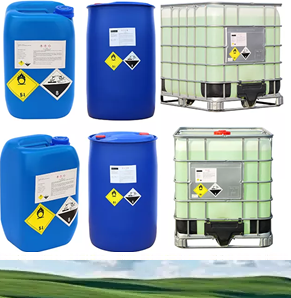
Sulfuric Acid (H2SO4), Hydrochloric Acid (HCl), and Sodium Hydroxide (NaOH) are critical for pH control and chemical manufacturing.
- Application: Neutralization processes and scale-up of synthesis routes.
3. Catalysts and Specialty Reagents
Whether it’s for polymer synthesis or pharmaceutical intermediates, the quality of catalysts determines the yield and energy efficiency of the process.
Part 4: Where and How to Buy Chemicals for R&D and Production
Procuring laboratory-grade and industrial-grade chemicals requires a supplier that understands supply chain logistics, safety documentation (SDS), and regulatory compliance.
As an engineer, you don’t just need the product; you need the documentation. Our platform offers:
- Transparent Pricing: We ensure competitive rates for bulk and specialty orders.
- Certified Quality: Access to COA (Certificate of Analysis) for every batch.
- Fast Logistics: Reliable shipping to R&D labs and industrial facilities worldwide.
Pricing Estimates (Market Variables)
Disclaimer: Prices fluctuate based on global supply chains and volume.
- Industrial Reagent-Grade Acetone: Typically ranges from $5.00 to $12.00 per liter depending on purity levels and volume.
- Specialty Catalysts: Prices vary significantly, often starting at $50/50g for rare precursors.
- Bulk Acids/Bases: Often priced per metric ton or drum; contact ChemicalsSuppliers.com for a customized quote.
Part 5: Professional Responsibility and Ethics
The hallmark of a PE is the “Code of Ethics.” Engineers hold the lives of the public in their hands. When you use materials sourced from ChemicalsSuppliers.com, you are ensuring that your supply chain is transparent and reliable, which is a core component of risk management.
Key Engineering Ethics Principles:
- Safety, Health, and Welfare of the Public: This is the paramount concern.
- Professional Integrity: Never use chemicals or materials that do not meet the specified safety standards.
- Continuous Learning: The chemical industry evolves rapidly. Stay informed by checking industry sites like the American Institute of Chemical Engineers (AIChE).
Part 6: Expanding Your Engineering Career
To excel as a PE, you must balance technical expertise with project management skills.
Skills to Master for PE Success:
- Process Safety Management (PSM): Understanding OSHA regulations.
- Environmental Compliance: Navigating the Clean Air Act and Clean Water Act.
- Supply Chain Resilience: Knowing exactly where to source chemicals like those found at ChemicalsSuppliers.com to prevent process downtime.
Part 7: Conclusion – The Path Forward
The journey to becoming a Professional Engineer is rigorous, but it is one of the most rewarding paths a chemical engineer can take. By upholding high standards in your education, your professional practice, and your material procurement, you contribute to a safer, more efficient industrial landscape.
When you are ready to start your next project, ensure you have the best partners. Visit ChemicalsSuppliers.com to find the premium chemical components required to turn your engineering designs into reality.
Key Resources for Further Reading
- NCEES PE Chemical Exam Information
- AIChE Professional Development
- Chemical Engineering Safety Resources
Frequently Asked Questions (FAQ)
Q: Can I get my PE license without an engineering degree? A: In most states, no. An ABET-accredited degree is the standard requirement.
Q: How much does the PE exam cost? A: Fees vary by board, typically between $250 and $400, plus application and state-specific licensing fees.
Q: Why should I source from Chemicalssuppliers.com? A: We provide specialized chemical sourcing with a focus on quality assurance, which is critical for engineers who must guarantee the outcome of their processes.
Tags: #ProfessionalEngineer #ChemicalEngineering #PELicense #ChemicalSuppliers #ChemicalEngineeringCareer #EngineeringLicensure #IndustrialChemicals #ProcessEngineering #ChemicalProcurement #ChemicalsSuppliers #EngineeringEthics #FEExam #PEExam #ChemicalIndustry #SupplyChainManagement #QualityControl #LaboratoryReagents #IndustrialSolvents #ChemicalEngineeringGuide #ProfessionalGrowth #TechnicalCertification #EngineeringAuthority #ScienceAndTechnology #ChemicalSafety #STEMcareers #ChemicalEngineeringDesign #EngineeringProfessionalDevelopment #ChemicalSourcing #ReliableChemicals #EngineeringStandards