The NSF/ANSI Standard 60 Certification: Ensuring Water Safety and Regulatory Compliance
In the world of water treatment and chemical supply, safety isn’t just a recommendation—it is a legal and ethical mandate. Whether you are managing a municipal water system, an industrial cooling tower, or a food processing facility, the chemicals you introduce to the water supply must be safe. This is where NSF/ANSI Standard 60 comes into play.
At ChemicalsSuppliers.com, we recognize that navigating the complexities of water treatment regulations can be daunting. This comprehensive guide will break down everything you need to know about NSF/ANSI 60 certification, the chemicals it covers, pricing considerations, and how you can source these vital materials for your operations.
What is NSF/ANSI Standard 60?
NSF/ANSI Standard 60 is the American National Standard that establishes the minimum health effects requirements for chemicals used to treat drinking water. Developed by the National Sanitation Foundation (NSF), this standard evaluates the chemical additives that come into contact with or are added to drinking water to ensure they do not contribute harmful levels of contaminants.
Why is Certification Crucial?
Without this certification, municipalities and businesses run the risk of introducing toxic impurities—such as lead, mercury, or arsenic—into their water systems. Compliance with Standard 60 is often required by state and federal regulations (such as the EPA’s Safe Drinking Water Act) to protect public health.
Detailed Breakdown of Chemicals Covered under NSF 60
The scope of NSF/ANSI 60 covers a wide array of chemicals. These are categorized based on their function within the water treatment process.
1. Corrosion and Scale Inhibitors
These chemicals prevent the degradation of pipes and the buildup of mineral deposits.
- Examples: Orthophosphates, polyphosphates, and zinc-based inhibitors.
- Applications: Preventing “red water” issues in municipal piping and protecting high-pressure boilers.
2. Coagulants and Flocculants
Used to remove turbidity (cloudiness) by clumping small particles together so they can be filtered out.
- Examples: Aluminum sulfate (Alum), Ferric chloride, and various polymers (polyelectrolytes).
3. Disinfectants and Oxidants
Critical for killing pathogens and removing organic contaminants.
- Examples: Sodium hypochlorite (Liquid Bleach), Chlorine dioxide, and Calcium hypochlorite.
4. pH Adjustment and Softening Chemicals
Used to balance water acidity and remove hardness minerals.
- Examples: Sodium hydroxide (Caustic Soda), Lime, and Soda Ash.
5. Fluoridation Chemicals
Used to promote dental health in public water supplies.
- Examples: Sodium fluorosilicate, Sodium fluoride, and Hydrofluorosilicic acid.
Pricing Considerations for Certified Chemicals
One of the most frequent questions we receive at ChemicalsSuppliers.com involves the cost differential between NSF-certified and non-certified chemicals.
Factors Influencing Price
- Testing and Auditing Fees: Manufacturers must pay for rigorous third-party testing of their manufacturing facilities and supply chains. This cost is reflected in the retail price.
- Raw Material Purity: Certified chemicals require a higher grade of raw materials to ensure that no trace contaminants are introduced during synthesis.
- Logistics and Supply Chain: The strict chain-of-custody requirements (tracking the chemical from production to endpoint) increase overhead.
Price Estimates (Market Averages)
Note: Prices fluctuate based on market conditions, volume, and geography.
| Chemical |
Average Price (per Metric Ton) |
| Sodium Hypochlorite (12.5%) |
$300 – $650 |
| Aluminum Sulfate (Liquid) |
$250 – $500 |
| Caustic Soda (50% Solution) |
$450 – $800 |
| Ferric Chloride (40%) |
$350 – $600 |
For real-time quotes tailored to your specific project, visit ChemicalsSuppliers.com to connect with our procurement team.
The Compliance Process: How Manufacturers Earn Certification
To earn the NSF mark (the “blue shield”), a product must undergo a multi-step evaluation:
- Formulation Review: Experts analyze every ingredient in the chemical product.
- Toxicological Assessment: Scientists determine the maximum allowable concentration of the chemical in water.
- Facility Inspection: Auditors visit the plant to verify that the manufacturing process is consistent and free from cross-contamination with non-certified substances.
- Ongoing Surveillance: Certification is not a “one-and-done.” NSF regularly re-tests products and inspects facilities to ensure continued compliance.
Why Purchasing from Reputable Suppliers Matters
When you source chemicals through ChemicalsSuppliers.com, you are not just buying a product; you are buying certainty. Many “grey market” suppliers offer chemicals without the necessary documentation, leaving facility managers vulnerable to:
- Regulatory Fines: Environmental agencies do not accept excuses for non-certified chemical use.
- Public Safety Liabilities: Any health incident linked to water treatment will be traced back to the chemical supplier.
- System Damage: Impure chemicals can corrode equipment, leading to millions in premature infrastructure repair costs.
Best Practices for Handling NSF 60 Chemicals
Once you acquire certified chemicals, maintaining their integrity is your responsibility.
- Proper Storage: Chemicals must be stored in dedicated, labeled containers to prevent cross-contamination.
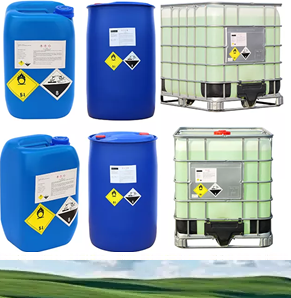
- Secondary Containment: Always place drums and totes in containment trays to prevent environmental leaks.
- Documentation: Maintain a comprehensive log of batch numbers and “Certificate of Analysis” (COA) documents for every delivery.
- Regular Testing: Even when using certified chemicals, perform regular water quality spot checks to ensure the desired treatment levels are being achieved.
Sourcing Chemicals at ChemicalsSuppliers.com
At ChemicalsSuppliers.com, we bridge the gap between high-quality chemical manufacturers and the water treatment professionals who need them. Our network ensures:
- Verification: We only list suppliers who provide up-to-date NSF/ANSI 60 documentation.
- Logistical Efficiency: We coordinate freight to minimize transit times, ensuring that your treatment plants never run dry.
- Expert Consultation: Our technical team helps you select the right chemicals for your specific water chemistry profile.
Frequently Asked Questions (FAQs)
Q: Is NSF/ANSI 60 mandatory in all US states?
A: While adoption varies by state code, the vast majority of US states mandate NSF/ANSI 60 compliance for public drinking water treatment systems.
Q: What is the difference between NSF 60 and NSF 61?
A: NSF 60 covers chemicals added to the water. NSF 61 covers products that contain water, such as pipes, valves, tanks, and pumps.
Q: Can I use industrial-grade chemicals instead of NSF-certified ones?
A: Generally, no. Industrial grade often contains impurities that, while acceptable for manufacturing, are prohibited in drinking water applications. Always ensure the product label specifically references NSF/ANSI 60.
Conclusion
The integrity of our drinking water is one of the most critical aspects of modern civilization. By adhering strictly to NSF/ANSI Standard 60, utilities and private facilities can ensure that the water leaving their plants is as safe as it is clean.
At ChemicalsSuppliers.com, our commitment is to provide you with the resources, knowledge, and high-quality products needed to meet these stringent regulatory standards. Whether you are looking for bulk coagulants or niche pH adjusters, we are your partner in water safety.
Ready to secure your chemical supply chain? Visit ChemicalsSuppliers.com today to get a quote and speak with our industry experts.
Tags: #NSF60 #ANSIStandard60 #WaterTreatmentChemicals #PotableWaterSafety #DrinkingWaterStandards #ChemicalSuppliers #WaterCompliance #ChemicalProcurement #WaterTreatmentSolutions #PublicHealthCompliance #ChemicalsSuppliers #IndustrialWaterTreatment #EnvironmentalRegulation #WaterQualityManagement #ChemicalCertification #Alum #CausticSoda #Chlorination #FacilitySafety #WaterInfrastructure #NSFInternational #ChemicalSupplyChain #MunicipalWaterSystems #WaterTreatmentPlanning #ChemicalPricing