The ISO 28000 Certification for Chemical Supply Chain: Standards, Compliance, and Sourcing
In modern global economy, the chemical industry acts as the backbone for countless sectors—from pharmaceuticals and agriculture to manufacturing and energy. However, the movement of hazardous materials, sensitive compounds, and raw chemical ingredients comes with immense responsibility. Security breaches, supply chain disruptions, and illicit trafficking are constant threats that can cripple industries and harm the environment. This is where ISO 28000 certification becomes a critical differentiator.
For businesses seeking to establish global trust, implementing the ISO 28000:2022 standard is no longer optional; it is a strategic imperative. At ChemicalsSuppliers.com, we believe that safety, security, and quality are the pillars of the chemical trade. In this comprehensive guide, we will explore everything you need to know about ISO 28000, why it matters, the costs involved, and how to source high-quality, compliant chemicals safely.
What is ISO 28000? Defining the Security Management System
ISO 28000 is an international standard that specifies the requirements for a Security Management System (SeMS), including those aspects critical to the security assurance of the supply chain. While ISO 9001 focuses on quality and ISO 14001 on environmental management, ISO 28000 is specifically designed to identify risks and mitigate threats to supply chain assets, personnel, and infrastructure.
The Scope of the Standard
The standard applies to all organizations, regardless of size or sector, that are involved in the manufacture, procurement, storage, or transport of goods. For chemical suppliers, this is particularly vital due to the high-stakes nature of chemical logistics.
Key elements of ISO 28000 include:
- Risk Assessment: Identifying vulnerabilities in the logistics chain.
- Security Policies: Establishing firm protocols for cargo handling.
- Contingency Planning: Preparing for potential breaches or supply disruptions.
- Compliance: Ensuring that all international regulations regarding chemical transport are met.
Why ISO 28000 Matters for Chemical Suppliers
The chemical industry faces unique challenges, including the risk of contamination, theft of high-value compounds, and the danger of hazardous cargo being tampered with. By adhering to ISO 28000, suppliers demonstrate:
- Supply Chain Resilience: The ability to recover quickly from disruptions.
- Regulatory Compliance: Many governments require proof of security for the handling of volatile chemicals.
- Customer Confidence: Global buyers prefer suppliers who prioritize security, reducing the likelihood of lost shipments or counterfeit goods.
- Operational Efficiency: Identifying security risks often leads to streamlined logistics processes, saving both time and money.
ISO 28000 Certification Cost Breakdown: What to Expect
Businesses often ask, “How much does ISO 28000 certification cost?” The investment varies significantly based on the size of your organization, the complexity of your supply chain, and the number of sites involved.
Estimated Cost Factors
- Consulting Fees: Depending on your current infrastructure, hiring a consultant to perform a gap analysis can range from $3,000 to $10,000.
- Internal Costs: Training staff, upgrading security hardware (CCTV, access control systems, encryption software), and implementing new documentation processes. Budget for $5,000 to $20,000.
- Certification Body Fees: The official audit process conducted by a third-party registrar. This typically costs between $5,000 and $15,000 for initial certification, plus recurring surveillance audit fees.
- Total Expected Investment: For a mid-sized chemical supplier, an initial budget of $13,000 to $45,000 is realistic for a full, compliant certification cycle.
Note: These prices are estimates. For specific regulatory documentation or supply chain security guidance, visit our resource center at Chemicalssuppliers.com.
Examples of Chemicals Requiring Enhanced Security
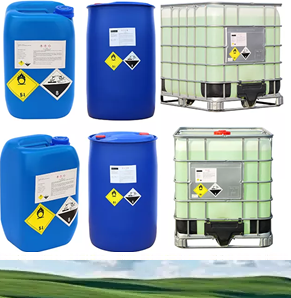
The necessity for ISO 28000 is most apparent when handling hazardous or high-value chemicals. Suppliers on ChemicalsSuppliers.com ensure these materials are handled with the highest security standards:
1. Industrial Solvents and Reagents
Used heavily in manufacturing, these require climate-controlled, secure transport to prevent leakage or accidental ignition.
- Application: Pharmaceutical manufacturing and protective coatings.
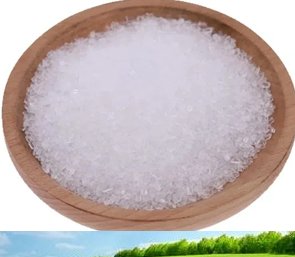
2. Fine Chemicals and High-Purity Salts
Often used in the production of semiconductors or medical devices. These are high-value targets for theft and contamination.
- Security Need: Stringent chain of custody and tamper-evident packaging.
3. Agricultural Chemical Intermediates
Materials used in fertilizer or pesticide production.
- Security Need: Due to environmental regulations and the potential for dual-use (misuse), tracking and security are paramount.
4. Specialty Catalysts
Rare earth elements or complex metallic catalysts.
- Security Need: These are expensive and highly susceptible to supply chain poaching.
Sourcing Chemicals: Why Trust Matters
When you are looking to buy chemicals, the “who” is just as important as the “what.” A supplier that maintains ISO 28000 compliance is a supplier that takes their business—and your safety—seriously.
At ChemicalsSuppliers.com, we bridge the gap between global manufacturers and end-users. We prioritize vetting our supply chain partners to ensure that they maintain rigorous security standards.
Where to Buy Reliable Chemicals
If you are looking for a secure, transparent, and efficient way to source raw materials, visit ChemicalsSuppliers.com. Our platform is designed to provide:
- Verified Suppliers: Companies that align with international quality and security standards.
- Global Logistics Support: Assistance in ensuring your orders move through supply chains securely.
- Detailed Product Specifications: Ensuring you get the exact purity and grade required for your project.
Click here to view our current catalog of chemicals and sourcing options.
Implementing ISO 28000: A Step-by-Step Approach
For businesses ready to start their certification journey, follow these logical steps:
Phase 1: Gap Analysis
Assess your existing security measures. What are your current vulnerabilities? Do you have a secure warehouse? Is your digitalization secure against cyber-attacks?
Phase 2: Design the SeMS
Develop security policies, conduct risk assessments, and establish protocols for staff training. This must involve every level of the organization, from the warehouse floor to the C-suite.
Phase 3: Implementation
Put the systems into practice. This is the stage where you install hardware, update software, and refine your shipping procedures.
Phase 4: Internal Audit
Before calling in an external auditor, conduct your own. Identify any remaining failures and correct them.
Phase 5: External Certification
Engage an accredited body to perform the official audit. Upon successful completion, you will receive your ISO 28000 certificate, valid for three years (subject to annual surveillance audits).
ISO 28000 vs. Other Standards: A Comparison
Many organizations wonder if they need ISO 28000 if they are already ISO 9001 certified. While ISO 9001 covers the quality of the product, it does not necessarily address the security of the delivery chain—such as theft, terrorism, or cargo tampering.
- ISO 9001: Focuses on Quality Management.
- ISO 14001: Focuses on Environmental Management.
- ISO 28000: Focuses on Supply Chain Security Management.
By integrating these standards, companies create a “Triple Crown” of operational excellence, ensuring the product is of high quality, environmentally responsible, and safely delivered.
Global Trends in Chemical Supply Chain Security
The chemical industry is evolving rapidly. With the rise of IoT (Internet of Things) devices, companies are now tracking chemical shipments in real-time, monitoring temperature, humidity, and location. This data integration is a hallmark of the new ISO 28000:2022 standards, which emphasize the role of technology in modern risk mitigation.
As global trade becomes more complex, regional regulations are tightening. In the EU, REACH compliance is essential, while in the US, the DHS (Department of Homeland Security) oversees chemical facility anti-terrorism standards (CFATS). ISO 28000 acts as your universal toolkit to meet these diverse local requirements through a single, cohesive management framework.
Frequently Asked Questions (FAQs) About ISO 28000
1. Is ISO 28000 mandatory?
While it is not a legal requirement in most countries, it is often a “contractual requirement” set by large corporations or government agencies. If you want to bid on major industrial contracts, you will likely need it.
2. Can small businesses get ISO 28000 certified?
Absolutely. The standard is scalable. Small suppliers can implement a lightweight version of the system that matches their scale.
3. How often do I need to renew the certificate?
The certificate is typically valid for three years, with mandatory surveillance audits conducted annually to ensure ongoing compliance.
4. Why should I buy chemicals from a certified supplier?
Buying from a certified supplier ensures that the chemicals have been handled according to strict safety protocols, reducing the risk of contamination, theft, or mislabeling during transit.
Conclusion: The Path Forward
The chemical industry is essential to the advancement of human civilization, but it operates under a cloud of inherent risk. ISO 28000 certification provides the structure needed to manage that risk, protect your assets, and bolster your reputation.
Whether you are a chemical producer looking to streamline your security or a procurement manager seeking reliable, secure sources for your manufacturing needs, the principles outlined in this article are your roadmap to success.
Ready to streamline your supply chain or find reliable chemical partners? Visit ChemicalsSuppliers.com today to browse our verified procurement options and learn how we can help you navigate the complex world of chemical logistics.
External Resources for Further Learning
Keyword Tags
#ISO28000 #ChemicalSafety #SupplyChainSecurity #ChemicalsSuppliers #ProcurementManagement #LogisticsSecurity #ChemicalIndustry #RiskMitigation #IndustrialChemicals #ISOStandard #SupplyChainResilience #ChemicalTrade #BulkChemicals #SecurityManagementSystem #QualityAssurance #ChemicalCompliance #HazmatLogistics #BusinessStrategy #GlobalTrade #ChemicalSourcing #SecurePackaging #SupplyChainInnovation #ChemicalIndustryStandards #ManufacturingSafety #RiskManagement