The HACCP and ISO 22000 Certification for Chemical Suppliers
In the global supply chain, safety is the ultimate currency. Whether you are a manufacturer of food-grade additives, industrial cleaning agents, or sanitizing chemicals, the standards you adhere to define your market reach. For businesses operating within the chemical supply sector, obtaining HACCP (Hazard Analysis and Critical Control Points) and ISO 22000 certification is no longer just a “nice-to-have”—it is a critical requirement for global compliance and customer trust.
At ChemicalsSuppliers.com, we understand that navigating the complexities of food safety management systems (FSMS) can be daunting. This comprehensive guide will break down everything you need to know about these certifications, why they matter for your chemical business, and how to source the certified supplies you need to run an compliant operation.
What is HACCP Certification?
HACCP is a systematic, preventive approach to food safety that addresses biological, chemical, and physical hazards in production processes. For a chemical supplier, HACCP certification proves that your products—particularly those intended for industries like food and beverage or pharmaceuticals—are safe, handled correctly, and free from contaminants.
The 7 Pillars of HACCP
- Conduct a Hazard Analysis: Identify potential food safety hazards.
- Determine Critical Control Points (CCPs): Identify steps in the process where control is essential to prevent, eliminate, or reduce hazards.
- Establish Critical Limits: Define the parameters for each CCP.
- Monitor CCPs: Establish a system for monitoring the control of CCPs.
- Establish Corrective Actions: Determine what to do when a deviation occurs.
- Establish Verification Procedures: Confirm that the HACCP system is working.
- Establish Documentation and Record-Keeping: Maintain rigorous logs.
What is ISO 22000?
While HACCP is a method, ISO 22000 is an international standard that integrates the principles of HACCP with a broader Food Safety Management System (FSMS). It is a framework designed to manage food safety hazards across the entire supply chain.
For a chemical supplier, ISO 22000 certification signifies that your company follows an internationally recognized management system. It builds confidence among stakeholders and significantly boosts your ability to export chemicals globally.
Why Chemical Suppliers Need These Certifications
1. Market Access and Global Competitiveness
Many multinational corporations in the food and pharmaceutical sectors mandate that their chemical suppliers hold ISO 22000 or HACCP certification. Without it, you are locked out of high-value supply chains.
2. Regulatory Compliance
Regulatory bodies like the FDA (Food and Drug Administration) and EFSA (European Food Safety Authority) are increasingly strict about chemicals used in the food industry. Certification ensures you are always “audit-ready.”
3. Risk Mitigation
A product recall due to chemical contamination can bankrupt a company. Adopting these standards minimizes the risk of hazardous substances entering the food supply chain.
Pricing: What Does It Cost to Get Certified?
The cost of obtaining HACCP or ISO 22000 certification is not a single flat fee. It varies based on firm size, the complexity of your chemical handling processes, and your current level of readiness.
| Factor |
Estimated Cost Range (USD) |
| Small-Scale Supplier (Consulting & Audit) |
$3,000 – $7,000 |
| Mid-Market Chemical Processor |
$8,000 – $15,000 |
| Large-Scale International Enterprise |
$20,000 – $50,000+ |
Note: These ranges include consultant fees, documentation preparation, internal training, and the final registrar audit. You can find more cost-saving tips on resources like ISO.org.
Examples of Chemicals Requiring High-Safety Standards
Not all chemicals require food-grade certification, but those used in sensitive processes absolutely do. Here are examples of chemicals where ISO 22000 or HACCP compliance is mandatory:
1. Sanitizing and Disinfecting Agents
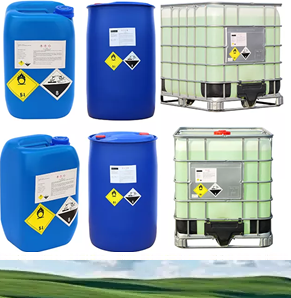
Chemicals like Peracetic Acid (PAA) or Food-Grade Caustic Soda used for CIP (Clean-in-Place) systems in breweries and dairies.
2. Food Additives and Preservatives
Citric Acid, Aspartame, or Sodium Benzoate. These chemicals are ingested, meaning they must be handled under the strictest safety protocols.
3. Boiler Feed Chemicals
Chemicals used in steam generation for food processing plants (e.g., Hydrazine-free oxygen scavengers) must be certified so that steam-carryover does not contaminate the food.
Where to Buy Certified Chemicals
If you are looking for high-purity, certified chemicals that meet international safety standards, look no further than our catalog at ChemicalsSuppliers.com.
We specialize in sourcing chemicals that undergo rigorous quality control. When you purchase from us, you aren’t just buying raw materials; you are buying the peace of mind that comes with:
- Traceable Documentation: Every batch comes with a Certificate of Analysis (COA) and MSDS.
- FSMS Compliance: We prioritize suppliers that hold current ISO 22000 and HACCP credentials.
- Logistical Excellence: Our supply chain ensures your chemicals remain untainted from our warehouse to your facility.
Click here to browse our catalog of food-safe and industrial chemicals.
How to Implement These Standards: A Step-by-Step Approach
- Conduct a Gap Analysis: Assess where your current chemical handling processes fall short of ISO 22000/HACCP requirements.
- Appoint a Food Safety Team: Ensure you have experts who understand chemical properties, reactivity, and safety protocols.
- Training: Invest in staff training. Every entry-level worker handling your products must understand the importance of hazard prevention.
- Internal Audit: Perform a “mock” audit before hiring a third-party registrar.
- Selection of Certification Body: Choose a reputable organization for the final audit (e.g., SGS, Bureau Veritas, or TÜV).
The Role of Documentation: Your Digital Paper Trail
In the world of ISO 22000, “If it isn’t documented, it didn’t happen.” You must maintain:
- Detailed SOPs (Standard Operating Procedures) for chemical handling.
- Temperature and humidity logs for chemical storage.
- Supplier performance records.
- Corrective action reports for any deviations.
Conclusion
Obtaining HACCP and ISO 22000 certification is a strategic investment in the longevity and integrity of your chemical supply business. It elevates your brand, protects your clients, and positions you as a leader in the global marketplace.
At ChemicalsSuppliers.com, we are committed to helping you maintain your standards. Whether you need high-purity cleaning agents or additives, our platform is your gateway to safe, reliable, and compliant chemical sourcing.
Ready to upgrade your supply chain? Visit our home page today to learn more about our quality-assured chemical products.
SEO Keyword Tags
#HACCPcertification #ISO22000 #FoodSafetyManagementSystem #ChemicalCompliance #IndustrialChemicals #ChemicalSupplyChain #FoodGradeChemicals #ChemicalSafety #ComplianceAudits #HazardAnalysis #QualityAssurance #ChemicalManufacturers #HazardousMaterialHandling #ISOStandards #SupplyChainSafety #ChemicalLogistics #ChemicalGradeStandards #CertificationGuide #ChemicalSuppliers #RiskManagement #FSMS #B2BChemicals