Explosion-Proof (Ex) Certificates: Ensuring Safety, Compliance, and Operational Excellence in Hazardous Industries
In chemical processing, oil and gas extraction, and pharmaceutical manufacturing, safety is not merely a preference—it is a non-negotiable mandate. When operating in environments where flammable gases, combustible dusts, or volatile vapors are present, the equipment used must be engineered to prevent catastrophic ignition. This is where the Explosion-Proof (Ex) Certificate becomes the most critical document in your facility’s safety portfolio.
At ChemicalsSuppliers.com, we recognize that sourcing high-quality, certified chemicals and equipment requires a deep understanding of the regulatory landscape. This guide provides an exhaustive look into Ex certifications, global standards, and how to maintain compliance while sourcing hazardous materials.
What is an Explosion-Proof (Ex) Certificate?
An Explosion-Proof (Ex) Certificate—often referred to as an Intrinsically Safe (IS) certificate or Flameproof certification—is a formal verification that a specific piece of equipment (or a chemical delivery system) has been tested and approved to operate in potentially explosive atmospheres (ATEX spaces) without becoming an ignition source.
These certificates are issued by accredited third-party bodies (Notified Bodies) after subjecting equipment to rigorous stress tests involving pressure, temperature fluctuation, and exposure to hazardous chemical vapours.
Why Do You Need It?
- Legal Compliance: Operating equipment without an Ex certificate in a hazardous zone is a violation of international and local occupational safety laws (such as OSHA in the US or the ATEX Directive in the EU).
- Insurance Requirements: In the event of an industrial accident, insurance providers will void claims if it is found that non-certified equipment was utilized in classified hazardous areas.
- Personnel Safety: The primary goal is the protection of human life. Ensuring your chemical storage and handling setups meet the “Ex” standards minimizes the risk of workplace explosions.
Understanding Global Classification Standards
Not all “Ex” certifications are created equal. Depending on your geographical location, you will encounter different acronyms and testing protocols.
1. ATEX (Europe)
The ATEX Directive (Atmosphères Explosibles) is the gold standard in Europe. It categorizes environments into “Zones” (0, 1, or 2 for gases; 20, 21, or 22 for dusts). If your facility is in Europe, you must ensure your equipment displays the “Ex” hexagon logo.
2. IECEx (International)
The International Electrotechnical Commission System for Certification to Standards Relating to Equipment for Use in Explosive Atmospheres (IECEx) aims to simplify global trade. It is the most widely recognized international certificate.
3. NEC/CEC (North America)
North America uses a “Class, Division, and Group” system.
- Class I: Flammable gases/vapors.
- Class II: Combustible dusts.
- Class III: Ignitable fibers or flyings.
Pro-Tip: Many modern manufacturers now seek dual certification (IECEx/ATEX) to ensure their products can be used globally. When sourcing supplies via ChemicalsSuppliers.com, always verify the certification markings on the technical data sheet.
Hazardous Chemicals and Where to Find Them
Safety in hazardous zones is twofold: the equipment must be Ex-certified, and the chemicals handled must be stored and transported according to their flashpoints and chemical stability.
Below are common hazardous chemicals that require strict handling protocols:
1. Acetone
- Usage: Used extensively as a solvent in the production of plastics and fibers.
- Hazard: Highly flammable liquid and vapor.
- Ex-Requirement: All pumping equipment and ventilation systems near acetone storage must be explosion-proof.
2. Toluene
- Usage: A common solvent in paint thinners, glues, and chemical synthesis.
- Hazard: Forms explosive mixtures with air; sensitive to static discharge.
3. Methanol
- Usage: A critical feedstock for chemicals like formaldehyde and acetic acid.
- Hazard: Toxic and highly flammable; requires specialized containment with Ex-certified monitoring sensors.
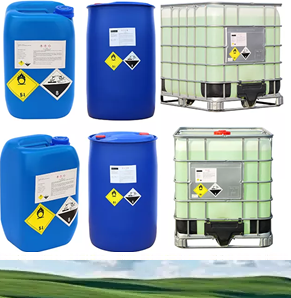
4. Hydrogen Peroxide (Concentrated)
- Usage: Used in bleaching and disinfection.
- Hazard: While not flammable itself, it is a strong oxidizer that can cause organic materials to combust spontaneously.
Where to Buy These Chemicals?
Sourcing raw materials that meet industrial safety standards can be challenging due to supply chain fragmentation. You can find high-purity, safety-verified chemicals directly at ChemicalsSuppliers.com. Our platform connects you with verified vendors, ensuring that the materials you receive are accompanied by necessary Safety Data Sheets (SDS) and compliance documentation.
The Economics: Pricing of Ex-Certified Equipment
“Explosion-proof” is synonymous with “premium engineering.” Because these devices (motors, sensors, lighting, valves) must endure extreme physical stress, they are more expensive than standard industrial counterparts.
- Ex-Rated Sensors: Generally range from $450 to $1,200 USD, depending on the sensitivity and the gas detection range.
- Explosion-Proof Motors: These can range from $2,500 to $15,000+ USD, depending on kilowatt (kW) capacity and T-class (temperature) rating.
- ATEX/IECEx Lighting: Fixed lighting systems typically cost between $300 and $900 per unit.
Why the high cost? The certification process itself costs tens of thousands of dollars for the manufacturer. Furthermore, the use of specialized, spark-resistant materials like bronze or high-grade stainless steel adds to the cost. However, the cost of a single explosion far outweighs the initial investment in certified equipment.
Best Practices for Maintaining Ex-Compliance
Certification is not a “set it and forget it” task. To maintain the integrity of your Ex-compliant environment, consider the following:
1. Regular Inspections
Even certified equipment degrades. Corrosion from chemical exposure can compromise the flameproof pathways of an enclosure. Implement a preventative maintenance schedule that includes visual inspections of seals, gaskets, and grounding cables.
2. Personnel Training
Workers must understand the difference between a “Standard” and an “Ex-rated” tool. Prohibit the entry of unauthorized electronic devices (non-Ex smartphones, cameras, and watches) into high-risk zones.
3. Documentation Management
Keep a registry of all Ex certificates on-site. If an auditor asks, you should be able to produce the certificate of conformity for every relevant piece of machinery within minutes.
4. Sourcing from Trusted Partners
Always procure your chemical supplies and equipment from suppliers who prioritize transparency. At ChemicalsSuppliers.com, we emphasize the importance of provenance. Using contaminated or mislabeled chemicals can cause unexpected reactions that the safety equipment was never designed to handle.
The Future of Explosion-Proof Technology
As we move toward Industry 4.0, Ex-certification is evolving. We are seeing the rise of Wireless HART sensors that are intrinsically safe, allowing for real-time remote monitoring of hazardous zones. This reduces the need for human presence in volatile areas, significantly lowering risk.
Furthermore, 3D printing of flame-path components is helping manufacturers reduce the lead time for custom Ex-certified enclosures, making safety more accessible for smaller, niche chemical operations.
Frequently Asked Questions (FAQs)
Q: Can I modify an Ex-certified device? A: Generally, no. Any modification—even drilling an extra hole for a cable gland—will invalidate the Ex-certificate. If you need a modification, you must seek re-certification from the manufacturer or an authorized lab.
Q: What is a “T-Code” or “Temperature Class”? A: The T-code (T1 to T6) identifies the maximum surface temperature of the equipment. T6 is the coolest (safest for highly volatile substances), while T1 is the hottest. Always ensure your equipment T-code is compatible with the ignition temperature of the chemicals being handled.
Q: Is “Explosion-Proof” the same as “Flameproof”? A: While often used interchangeably, “Flameproof” (Ex d) refers to a specific type of protection where the enclosure is designed to withstand an internal explosion. “Explosion-proof” is the broader North American term.
Conclusion: Safety as a Business Strategy
The pursuit of an Ex-certificate should not be viewed as a bureaucratic hurdle, but as a competitive advantage. Companies that prioritize rigorous safety standards avoid costly downtime, protect their reputation, and create a culture of excellence.
Whether you are seeking high-purity solvents or looking for guidance on how to safely manage your chemical supply chain, ChemicalsSuppliers.com is your partner in safety and efficiency. Explore our extensive catalog of chemicals, reach out to our support team for logistical guidance, and ensure your facility is prepared for the demands of the modern industrial world.
Take the next step in securing your operations:
Key Takeaways for Procurement Officers
- Always verify the certificate number on the physical label against the manufacturer’s database.
- Don’t ignore the Duty of Care: Ensure that your suppliers provide the correct safety documentation for every batch of hazardous materials.
- Invest in quality: When it comes to flammable environments, cheaper “unbranded” alternatives often lack the necessary flame-path integrity.
Recommended Reading & Resources
Keyword Tags for Search Engine Optimization
#ExplosionProof #ExCertificate #IndustrialSafety #ChemicalSuppliers #HazardousAreaEquipment #ATEXCertification #IECEx #ChemicalSafety #IntrinsicSafety #FlameproofEquipment #HazardousMaterialsHandling #ChemicalLogistics #ProcessSafetyManagement #ChemicalIndustryStandards #SupplyChainSafety #ExplosiveAtmospheres #WorkerSafety #ChemicalProcurement #ChemicalInventory #SafetyDocumentation #HazardousZoneClassification #IndustrialHygiene #ChemicalStorageGuidelines #ChemicalProcessingSafety #HazardousChemicalsSupplier #ChemicalCompliance #SafetyCompliance #ChemicalStorageEquipment #ProcurementExcellence #ChemicalIntegrity