Ethanol Certification: Standards, Compliance, and Sourcing for Industrial Excellence
In global chemical supply chain, ethanol—often referred to as ethyl alcohol or grain alcohol—serves as one of the most versatile and essential solvents. Whether used in pharmaceuticals, food processing, cosmetics, or industrial manufacturing, the quality of ethanol is paramount. However, simply sourcing ethanol is not enough; businesses must ensure their supply chain adheres to rigorous Ethanol Certification standards.
At ChemicalsSuppliers.com, we recognize that navigating the landscape of chemical compliance can be daunting. This comprehensive guide serves as an authoritative resource on why certification matters, the types of standards required for different industries, and how to source high-purity ethanol efficiently.
Table of Contents
- What is Ethanol Certification?
- Why Certification Matters: Quality, Safety, and Legal Compliance
- Key Industry Standards and Certifications
- Types of Ethanol and Their Specific Certification Needs
- The Economics: Pricing Ethanol in a Certified Market
- Sourcing Certified Ethanol: Where to Buy
- Conclusion: Partnering for Success
1. What is Ethanol Certification?
Ethanol certification is the formal process of verifying that a batch of ethyl alcohol meets specific chemical, physical, and purity standards set forth by governing bodies such as the USP (United States Pharmacopeia), the Food Chemicals Codex (FCC), or ISO (International Organization for Standardization).
Certification isn’t just a label; it is a document (usually a Certificate of Analysis – COA) that provides a “chemical passport” for the substance. It dictates the concentration of moisture, the absence of denaturants, and the limitation of impurities like methanol, acetaldehyde, and acetal.
2. Why Certification Matters: Quality, Safety, and Legal Compliance
For manufacturers, the difference between “technical grade” ethanol and “USP grade” ethanol is massive. Using the incorrect grade can lead to catastrophic product failure, regulatory fines, and public health risks.
Regulatory Compliance
Government agencies, such as the FDA in the United States or the EMA in Europe, mandate that products intended for human consumption or topical use must be produced using ethanol that meets specific pharmacopeial standards.
Ensuring Purity and Consistency
Industrial processes—especially those involving catalysts—are sensitive. Even minute traces of impurities can poison a catalyst or alter the chemical reaction. Certified ethanol ensures that your production line runs consistently every single time.
Risk Mitigation
Uncertified suppliers may “cut” their product or unknowingly introduce cross-contamination during transport. Certification provides a paper trail that protects your company in the event of an audit or product liability claim.
3. Key Industry Standards and Certifications
To compete on a global scale, you must understand the specific acronyms and standards associated with ethanol purity:
- USP Grade (United States Pharmacopeia): This is the gold standard for pharmaceutical and food-grade applications. It covers strict limitations on non-volatile residues and heavy metals.
- FCC (Food Chemicals Codex): Similar to USP but specifically focused on ingredients meant for food and beverage manufacturing.
- ACS Grade (American Chemical Society): Used for analytical testing. It is the highest level of purity required for laboratory research.
- Denatured vs. Undenatured: Understanding this distinction is vital. Denatured ethanol has substances added to make it unfit for human consumption (for tax and industrial purposes). Undenatured (Pure) ethanol is strictly regulated and carries a higher tax burden but is necessary for food and pharma.
4. Types of Ethanol and Their Specific Certification Needs
Different industries require different formulations. Understanding which type to order from ChemicalsSuppliers.com will save you time and money.
Pharmaceutical & Cosmetics (USP Grade)
Needs high-purity ethanol, typically 95% to 100% (200 proof). It must be free from toxic denaturants.
- Requirement: USP/NF certification.
Biofuel and Energy
Focuses less on medical purity and more on energy density and moisture content.
- Requirement: ASTM D4806 standard.
Cleaning and Disinfectant Supplies
With the rise of hand sanitizer demand, USP grade or specific denatured formulas (SDA – Specially Denatured Alcohol) are required to ensure they are safe for skin contact but compliant with tax codes.
5. The Economics: Pricing Ethanol in a Certified Market
Pricing for ethanol is highly volatile and fluctuates based on several factors:
- Feedstock Costs: Whether the ethanol is corn-based, sugar-cane-based, or synthetic.
- Denaturants: The cost of the additive used to denature the alcohol.
- Taxes: In many jurisdictions, undenatured alcohol carries a high federal excise tax.
- Logistics: The cost of transporting chemical goods (HazMat fees).
Estimated Price Tiers (Bulk Estimates)
Please note: Prices fluctuate daily. For current quotes, please visit ChemicalsSuppliers.com Pricing Portal.
| Product Grade |
Typical Application |
Est. Price Range (per Gal/L) |
| Technical Grade |
Industrial Cleaning |
$5.00 – $8.00 / Gallon |
| USP/FCC Grade |
Pharma/Food/Bev |
$9.00 – $14.00 / Gallon |
| ACS Reagent |
Laboratory Research |
$25.00 – $50.00 / Liter |
Note: Large volume orders (tanker trucks vs. drums) significantly reduce the per-unit cost.
6. Sourcing Certified Ethanol: Where to Buy
When sourcing high-quality, certified ethanol, you should not rely on generic suppliers. You need a supply chain partner that maintains rigorous quality control.
Why Sourcing via ChemicalsSuppliers.com is Your Best Bet
At ChemicalsSuppliers.com, we act as a bridge between high-capacity manufacturers and businesses that require reliable, certified, and compliant chemicals.
Benefits of our platform:
- Verified Suppliers: We audit our partners to ensure they hold the necessary ISO and pharmacopeial certifications.
- Transparent COAs: Every shipment comes with a Certificate of Analysis, ensuring you know exactly what is in your tank.
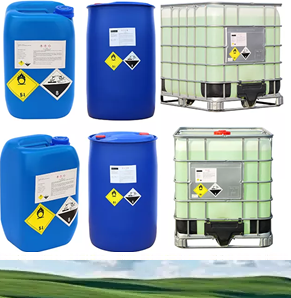
- Scalability: Whether you need a 55-gallon drum or a full ISO-tanker load, we have the logistical network to support you.
How to Start:
- Visit our Product Catalog.
- Filter by “Ethanol” or “Ethyl Alcohol.”
- Request a quote based on your volume and location.
- Our team will verify your tax-exempt status (if applicable) and confirm shipping timelines.
7. Conclusion: Partnering for Success
Ethanol certification is not a bureaucratic hurdle; it is the cornerstone of quality control. Whether you are producing critical medicines, high-end spirits, or industrial cleaning solutions, the purity of your raw materials directly dictates the success of your final product.
By choosing a reputable supplier, you ensure that your business remains compliant, your products remain safe, and your customers remain satisfied.
Ready to secure your supply? Don’t compromise on quality. Visit ChemicalsSuppliers.com today to browse our inventory of high-purity, certified ethanol and speak with one of our chemical procurement experts.
Additional Resources and External References
Tags: #EthanolCertification #ChemicalSuppliers #IndustrialChemicals #USPEthanol #EthylAlcohol #ChemicalProcurement #HighPurityEthanol #DenaturedAlcohol #ChemicalCompliance #SolventSourcing #FoodGradeEthanol #PharmaceuticalIngredients #BulkChemicals #ChemicalSupplyChain #QualityAssurance #ChemicalCertificateOfAnalysis #LaboratoryChemicals #EthanolPricing #ChemicalStandards #ChemicalDistribution #ChemicalsSupplierscom #ProcessEngineering #ManufacturingRawMaterials #AlcoholPurity #SafetyStandards #IndustrialSolvents #ChemicalProcurementServices #CertifiedChemicals #GlobalChemicalMarket #ChemicalExport #ComplianceManagement