A Guide on C-TPAT Certification for Global Chemical Supply Chains
In the modern globalized economy, the movement of hazardous materials, industrial solvents, and laboratory reagents across borders is a complex ballet of logistics, security, and regulatory compliance. For companies operating in the chemical sector—like those found on ChemicalsSuppliers.com—the integrity of the supply chain isn’t just a recommendation; it is a prerequisite for success.
One of the most vital frameworks governing this security is the Customs-Trade Partnership Against Terrorism (C-TPAT). In this extensive guide, we will explore what C-TPAT certification entails, why it matters for chemical businesses, the costs involved, and how it secures the global flow of essential materials.
What is C-TPAT?
C-TPAT is a voluntary public-private sector partnership program led by the U.S. Customs and Border Protection (CBP). Its primary objective is to strengthen international supply chains and improve United States border security.
For a company involved in the import or export of chemicals, C-TPAT acts as a “seal of approval.” It signals to authorities that your company has implemented robust security measures to prevent the infiltration of illicit substances, tampering with chemical containers, or the use of your logistics channels for smuggling.
Why Chemical Suppliers Need C-TPAT
Chemical substances—ranging from common industrial acids to specialized precursors—are sensitive cargo. Improper handling or security breaches can lead to:
- Safety Risks: Contamination or unauthorized access to hazardous materials.
- Regulatory Penalties: Massive fines for non-compliance with international trade laws.
- Supply Chain Bottlenecks: Increased inspections by CBP, often resulting in expensive port delays for chemical shipments.
By becoming a C-TPAT member, chemical suppliers benefit from fewer inspections, priority processing at ports of entry, and an enhanced reputation as a trusted partner in the global market.
Understanding the C-TPAT Certification Process
Becoming “C-TPAT Certified” is not a one-time event; it is a commitment to a culture of security. The process generally involves:
1. The Security Profile
You must first conduct a comprehensive risk assessment of your supply chain. You need to analyze your physical facilities, your IT security, your personnel screening processes, and your logistics partners.
2. Implementation of Security Measures
CBP requires members to adhere to “Minimum Security Criteria” (MSC). These include:
- Physical Security: Fencing, alarm systems, and video surveillance at chemical storage warehouses.
- Personnel Security: Thorough background checks for employees having access to sensitive cargo bays.
- Procedural Security: Strict documentation, such as the Seven-Point Inspection for containers (checking the nose, sides, floor, ceiling, etc.).
- Cybersecurity: Protecting electronic manifest data from hacking.
3. Application and Validation
Once your security profile is submitted through the CBP Portal, the CBP will conduct a review. Periodic site visits or “validations” occur to ensure you are maintaining the promised standards.
Costs of C-TPAT Certification: A Breakdown
Many small-to-medium enterprises (SMEs) ask: “How much does it cost to get C-TPAT certified?”
It is important to clarify that there is no direct fee paid to the U.S. government to join the C-TPAT program. However, the “cost” is represented by the investment in infrastructure, staff training, and time.
Estimated Price Breakdown:
- Internal Security Upgrades ($2,000 – $50,000+): This varies based on your existing infrastructure. Installing high-definition surveillance cameras, biometric access controls, and reinforced gate systems can represent a significant initial investment.
- Consulting Fees ($5,000 – $15,000): Many companies hire trade compliance attorneys or specialized consultants to navigate the application and ensure the security profile meets CBP standards.
- Staff Training & Compliance Hours ($3,000 – $10,000 per year): You will need dedicated personnel or hours allocated to internal audits, documentation, and staying updated with CBP bulletins.
- Continuous Improvement: Ongoing certification maintenance involves annual training and potential equipment upgrades.
Note: While these prices are estimates, the ROI is found in reduced detention/demurrage fees, faster customs clearance, and long-term business stability.
Sourcing Chemicals Safely: The Role of ChemicalsSuppliers.com
When you are looking for high-quality chemical products that adhere to strict logistical and safety standards, it is imperative to work with a reliable B2B platform. ChemicalsSuppliers.com serves as a bridge for businesses looking for verified chemical solutions.
Types of Chemicals Available
A secure, C-TPAT-conscious supply chain often deals in:
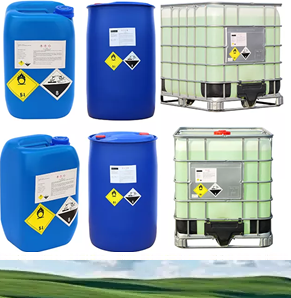
- Industrial Solvents: Used in manufacturing, painting, and cleaning. Examples include Acetone, Methanol, and Toluene.
- Specialty Reagents: Essential for laboratory and pharmaceutical research.
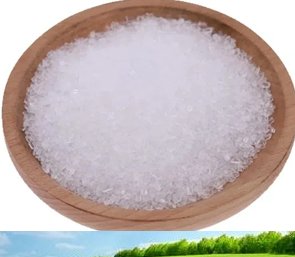
- Water Treatment Chemicals: Including Aluminum Sulfate and Chlorine derivatives.
- Construction Chemicals: Such as specialized resins, epoxies, and polymers.
Where to Buy?
If you are searching for high-purity chemicals or industrial-grade raw materials, you can visit ChemicalsSuppliers.com. By leveraging their directory, you can find suppliers that prioritize quality assurance and secure shipping protocols.
When vetting a supplier on the platform, always ask:
- “Do you have a C-TPAT-certified logistics partner?”
- “Can you provide a Certificate of Analysis (COA) for this batch?”
- “What is your protocol for tracking shipments to ensure no tampering occurs?”
Strategies for Maintaining C-TPAT Compliance
Achieving certification is just the start. Maintaining it requires a proactive approach to supply chain security.
1. Regular Risk Assessments
The threat landscape changes. Every six months, perform a fresh assessment of your logistics routes. Are you using a new port? Is your carrier partner still certified? Use Trade Compliance Resources to stay updated.
2. Supply Chain Mapping
Know every hand that touches your chemicals, from the manufacturing plant to the final delivery. Map out your suppliers, secondary suppliers, and the third-party logistics providers (3PLs) involved. Ensure they are part of the C-TPAT Trade Compliance Program.
3. Training and Awareness
Your employees are the first line of defense. Conduct quarterly training sessions on spotting suspicious behavior, managing physical access controls, and the importance of checking container seals.
4. Digital Documentation
Utilize automated software to track your manifests. Digital systems reduce human error and ensure that your documentation is always available for a CBP audit.
The Link Between Chemical Safety and Global Trade
Chemicals are the backbone of modern civilization. From the fuel in our vehicles to the medication in our cabinets, the chemical industry provides the building blocks for modern life.
However, because these products can be dangerous or misused, the international community has placed them under a microscope. C-TPAT provides a structured framework that allows legitimate businesses to operate smoothly without being hampered by the security measures created to block illicit actors.
By choosing to partner with suppliers found on ChemicalsSuppliers.com, you are making a commitment to both product quality and supply chain integrity.
Frequently Asked Questions (FAQs)
Q: Is C-TPAT mandatory for chemical companies? A: No, it is voluntary. However, for companies importing into the U.S., it is highly recommended to avoid delays and inspections.
Q: Can a small business become C-TPAT certified? A: Yes. Size is not a factor. If you meet the Minimum Security Criteria (MSC), you are eligible.
Q: What happens if I lose my C-TPAT status? A: You lose your “trusted trader” status. Your shipments will be subject to more frequent, time-consuming inspections, which can lead to increased costs and potential loss of customers.
Q: How does C-TPAT relate to other programs like AEO? A: C-TPAT is the U.S. version of the Authorized Economic Operator (AEO) program used by many other countries. In many cases, these programs have “Mutual Recognition Arrangements” (MRAs) where being C-TPAT certified can help you gain benefits in foreign customs programs as well.
Conclusion
The chemical industry is built on trust, precision, and safety. In a world where supply chain security is more critical than ever, C-TPAT certification serves as a beacon of reliability. Whether you are a small laboratory needing specialty solvents or a large-scale manufacturer requiring volume industrial raw materials, ensuring that your procurement process aligns with the highest security standards is non-negotiable.
Visit ChemicalsSuppliers.com today to connect with suppliers who understand the importance of quality, safety, and regulatory excellence. By focusing on your supply chain security today, you ensure the prosperity and safety of your business tomorrow.
Keywords & Tags
#CTPAT #ChemicalSupplyChain #BusinessSecurity #ChemicalsSuppliers #SupplyChainSecurity #ImportExport #CustomsCompliance #HazardousMaterials #TradeLogistics #ChemicalIndustry #IndustrialChemicals #GlobalTrade #CBP #LogisticsSecurity #ChemicalProcurement #RegulatoryStandards #InternationalTrade #SupplyChainRisk #CargoSecurity #ChemicalSafety #BusinessGrowth #ChemicalSuppliers #ComplianceManagement #TradeFacilitation #SecurityProtocol #ChemicalDistribution #GlobalLogistics #CustomsBrokerage #BusinessIntegrity #IndustrialMaterials