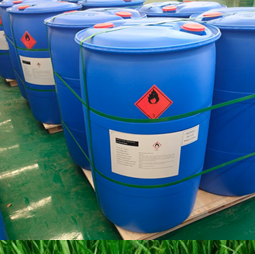
Industrial and Specialty Solvents: Properties, Applications, and Sourcing
Whether you are operating a pharmaceutical synthesis lab, a high-performance coating facility, or an industrial cleaning operation, understanding the nuance of chemical solvents (also known as liquid media or disolventes) is critical.
At ChemicalsSuppliers.com, we specialize in bridging the gap between raw chemical manufacturing and industrial application. This comprehensive guide serves as your authoritative resource on additional solvents, their molecular utility, and how to source them globally.
What Defines an Industrial Solvent?
A solvent is a substance that dissolves a solute, resulting in a solution. In industrial chemistry, these are categorized by their polarity, boiling point, and volatility.
- Polar Protic Solvents: Solvents like water or alcohols that can donate hydrogen bonds.
- Polar Aprotic Solvents: Solvents like Acetone or DMSO that lack acidic hydrogen atoms.
- Non-Polar Solvents: Such as Hexane or Toluene, essential for extracting lipids and non-polar compounds.
As highlighted by the American Chemical Society (ACS), the shift toward “Green Chemistry” has forced a re-evaluation of VOC (Volatile Organic Compound) emissions, making the choice of solvent an environmental imperative as much as a fiscal one.
Exploring the Spectrum: 50+ Essential Chemical Solvents
Below is an exhaustive list of specialized solvents categorized by their primary industrial utility. Prices are subject to market fluctuations; for real-time quotes, visit our portal at ChemicalsSuppliers.com.
| Solvent Name |
Synonyms |
Primary Use |
| Acetone |
Dimethyl Ketone |
Paint/Resin Thinner |
| Methanol |
Methyl Alcohol/Carbinol |
Fuel/Antifreeze |
| Toluene |
Methylbenzene |
Organic Synthesis |
| Xylene |
Dimethylbenzene |
Industrial Paint Solvent |
| Ethyl Acetate |
Acetic Acid Ethyl Ester |
Food/Pharmaceuticals |
| DMSO |
Dimethyl Sulfoxide |
Cryoprotectant/API Solvent |
| DMF |
Dimethylformamide |
Synthetic Fiber Production |
| NMP |
N-Methyl-2-pyrrolidone |
Electronics Cleaning |
| THF |
Tetrahydrofuran |
Polymer Processing |
| IPA |
Isopropyl Alcohol |
Disinfectant/Cleaner |
| Cyclohexanone |
Ketohexamethylene |
PVC Adhesives |
| DCM |
Dichloromethane |
Paint Stripping |
| Hexane |
N-Hexane |
Edible Oil Extraction |
| Heptane |
N-Heptane |
Laboratory Solvent |
| MEK |
Methyl Ethyl Ketone |
Industrial Coatings |
| MIBK |
Methyl Isobutyl Ketone |
Lacquer Thinner |
| Acetonitrile |
Methyl Cyanide |
HPLC Analysis |
| Ethanol |
Ethyl Alcohol |
Solvent/Sanitizer |
| Butanol |
Butyl Alcohol |
Varnish Production |
| Propylene Glycol |
1,2-Propanediol |
Food/Cosmetic Additive |
| Glycerin |
Glycerol |
Humectant |
| Chloroform |
Trichloromethane |
Extraction |
| Benzene |
Phenylic Acid |
Industrial Feedstock |
| Diethyl Ether |
Ethoxyethane |
Laboratory Reagent |
| Acetic Acid |
Ethanoic Acid |
Acidic Cleaning |
| Dimethyl Carbonate |
Methyl Carbonate |
Green Solvent |
| Pyridine |
Azabenzene |
Basic Solvent |
| PEG 400 |
Polyethylene Glycol |
Pharma Excipient |
| Ethylene Glycol |
Monooethylene Glycol |
Heat Transfer |
| Dimethyl Phthalate |
DMP |
Plasticizer |
| Butyl Acetate |
Butanoic Acid Ester |
Coating Solvent |
| Cyclohexane |
Hexahydrobenzene |
Extraction |
| Isobutanol |
Isobutyl Alcohol |
Solvent Thinner |
| Dichlorobenzene |
Ortho-DCB |
Degreasing |
| Glycol Ethers |
Cellosolves |
Cleaning Formulations |
| Tetraglyme |
Dimethyl Ether of Tetraethylene Glycol |
Gas Processing |
| Morpholine |
Tetrahydro-1,4-oxazine |
Corrosion Inhibitor |
| Formamide |
Methanamide |
Chemical Synthesis |
| DMS |
Dimethyl Sulfide |
Odorant |
| Methyl Acetate |
Acetic Acid Methyl Ester |
Low Toxicity Solvent |
| Carbon Tetrachloride |
Tetrachloromethane |
Chemical Intermediate |
| Acrylonitrile |
Vinyl Cyanide |
Polymer Synthesis |
| Sulfolane |
Tetramethylene Sulfone |
Extraction Solvent |
| Propylene Carbonate |
Cyclic Carbonate |
Electrolyte |
| Butyl Cellosolve |
2-Butoxyethanol |
Cleaning Agent |
| Methyl Lactate |
Methyl 2-hydroxypropionate |
Bio-solvent |
| Ethyl Lactate |
Ethyl 2-hydroxypropionate |
Green Solvent |
| Chloroethanol |
Ethylene Chlorohydrin |
Synthesis |
| Anisole |
Methoxybenzene |
Specialty Synthesis |
| Chlorobenzene |
Monochlorobenzene |
Chemical Intermediate |
For pricing inquiries, please consult the ChemicalsSuppliers.com Pricing Dashboard.
Technical Application and Safety Protocols
When handling these substances, safety is non-negotiable. Whether you are working with high-purity Methanol or volatile DCM, the OSHA Hazard Communication Standard must be followed.
The Role of Solvent Purity
In analytical chemistry, specifically chromatography (HPLC/GC), the purity of the solvent (e.g., HPLC-grade Acetonitrile) dictates the accuracy of the results. Impurities in a solvent can lead to baseline drift and column degradation. By sourcing from certified suppliers, you ensure that your materials meet international ASTM benchmarks.
Storage and Handling Best Practices
- Ventilation: Always work in a fume hood for volatile organic compounds (VOCs).
- Compatibility: Ensure storage containers (usually amber glass or HDPE/Carbon Steel drums) are rated for the specific solvent.
- Static Discharge: Many solvents (Toluene, Hexane) have low flash points. Use grounding cables during transfer to prevent ignition.
Why Choose ChemicalsSuppliers.com?
We recognize the global logistical challenges inherent in the chemical supply chain. Our platform offers:
- Scalability: From lab-scale (liter quantities) to bulk (ISO tanks).
- Compliance: Full documentation, including SDS (Safety Data Sheets) and COA (Certificate of Analysis).
- Logistics: International shipping capabilities with hazardous material handling expertise.
To begin your procurement, visit ChemicalsSuppliers.com and register for a trade account.
Global Perspectives on Solvent Terminology
Understanding these chemicals requires multilingual awareness, especially in global trade.
Multilingual Solvent Glossary
- Spanish: Disolvente, Solvente industrial.
- Chinese (Simplified): 溶剂 (Róngjì).
- Hindi: विलायक (Vilāyak).
- Arabic: مذيب (Mudhib).
- French: Solvant.
- German: Lösungsmittel.
- Japanese: 溶剤 (Yōzai).
- Russian: Растворитель (Rastvoritel’).
- Portuguese: Solvente.
- Indonesian: Pelarut.
- Korean: 용매 (Yongmae).
- Bengali: দ্রাবক (Drabok).
- Turkish: Çözücü.
- Vietnamese: Dung môi.
Environmental Impact and the Future of Solvents
The industry is currently pivoting toward Bio-solvents—liquids derived from renewable biomass like corn, sugar beet, or vegetable oils. Compounds like Ethyl Lactate and Dimethyl Carbonate are replacing traditional chlorinated solvents due to their lower toxicity and higher biodegradability.
As we move toward a carbon-neutral industrial framework, ChemicalsSuppliers.com is committed to expanding our catalog to include high-performance, low-impact chemical alternatives.
Frequently Asked Questions (FAQ)
Q: Can I order solvents in small quantities for R&D? A: Yes, our platform caters to university labs and startup facilities requiring small-batch high-purity solvents.
Q: How do I verify the quality of the chemicals? A: Every shipment comes with a COA (Certificate of Analysis) detailing impurity levels, moisture content, and density.
Q: What is the lead time for international orders? A: Lead times vary based on the destination and hazardous classification of the chemical. Please contact our logistics team via our website for an estimated delivery window.
Conclusion
The selection of the right solvent is a strategic decision that affects product quality, cost, and safety. By utilizing the wide range of solvents available—from traditional hydrocarbons to modern green alternatives—businesses can optimize their manufacturing processes significantly.
For a comprehensive catalog, technical consultations, and competitive pricing, visit ChemicalsSuppliers.com today. Ensure your supply chain remains robust, compliant, and efficient with our expert chemical sourcing services.